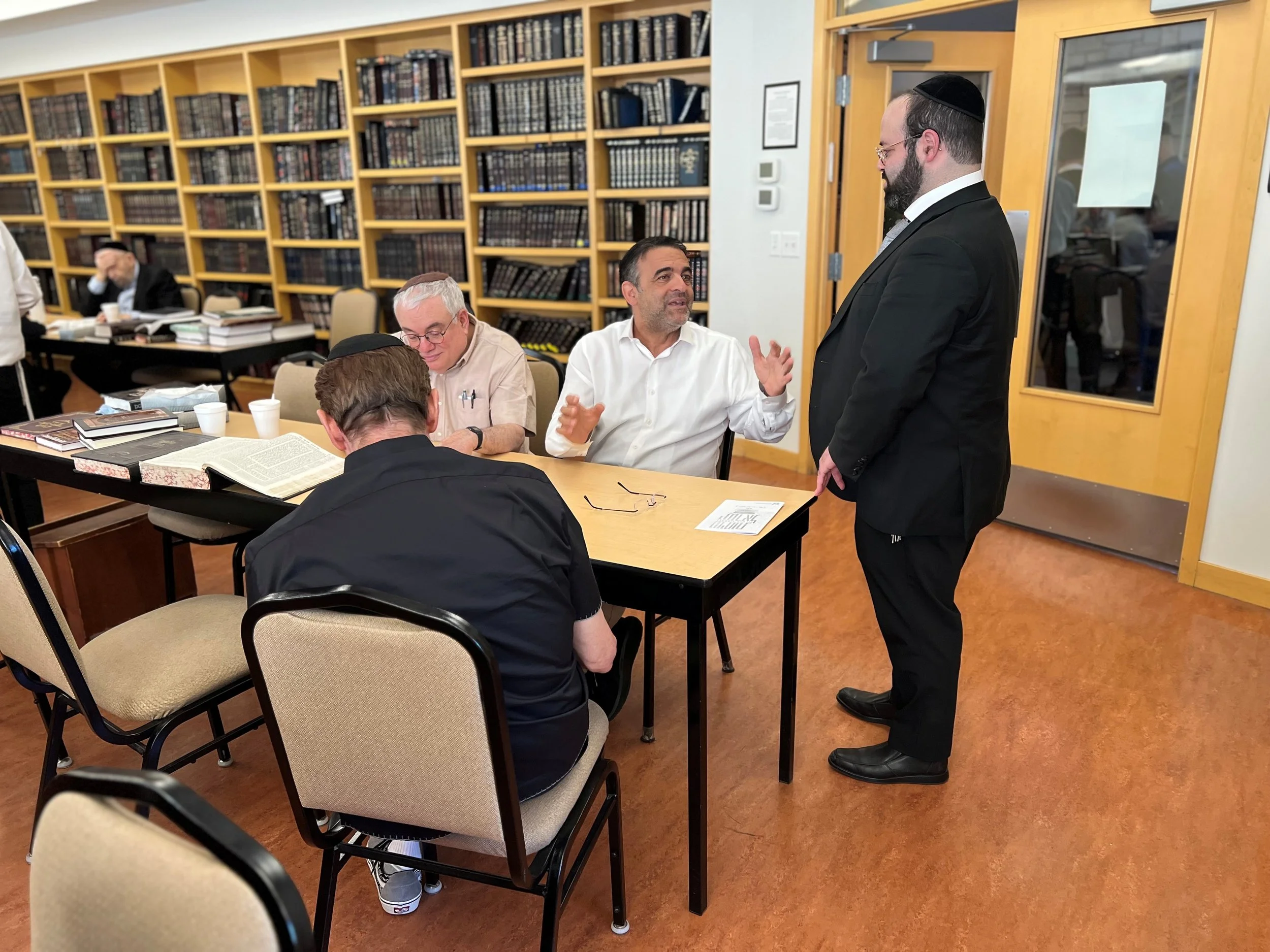
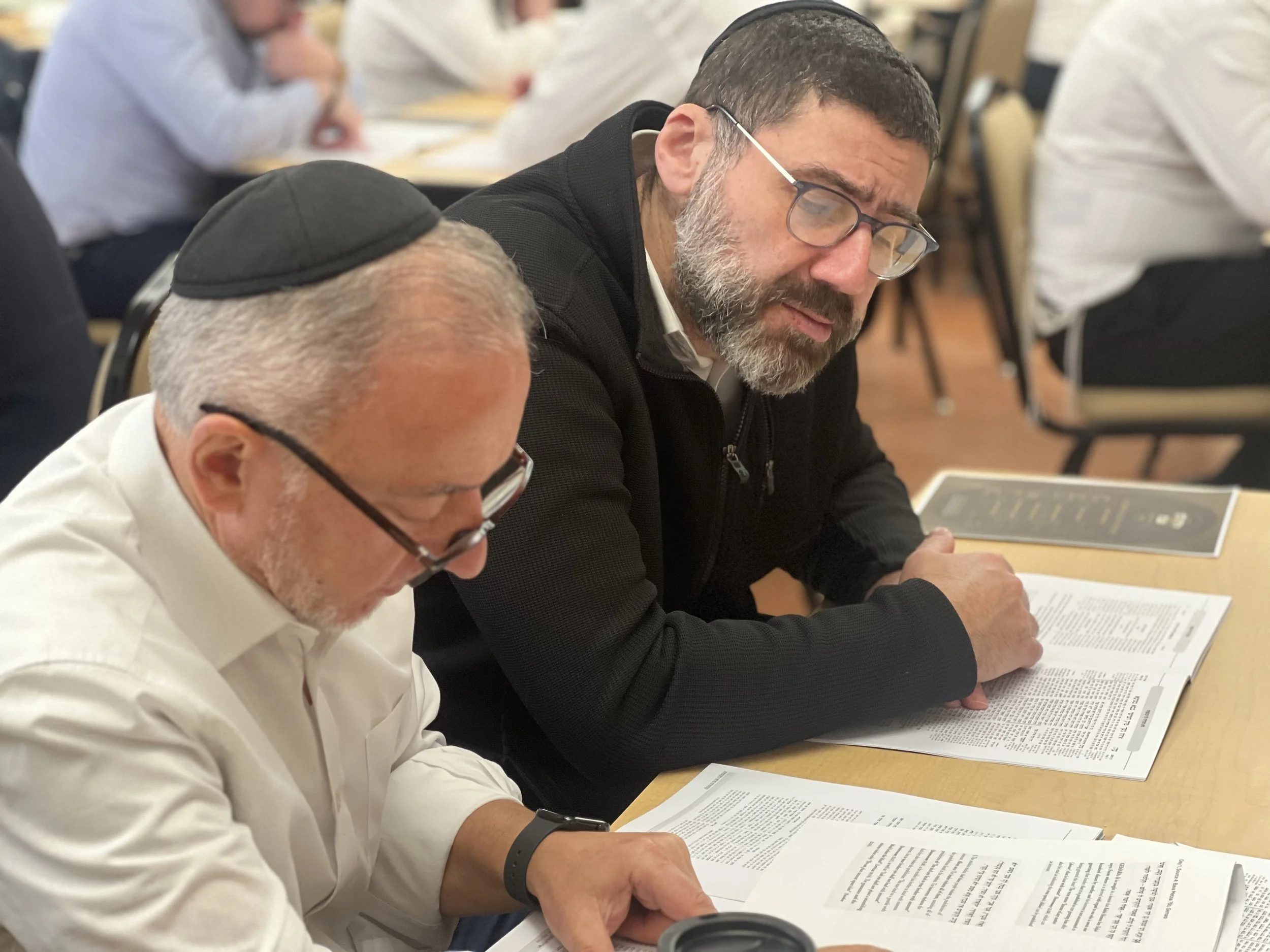
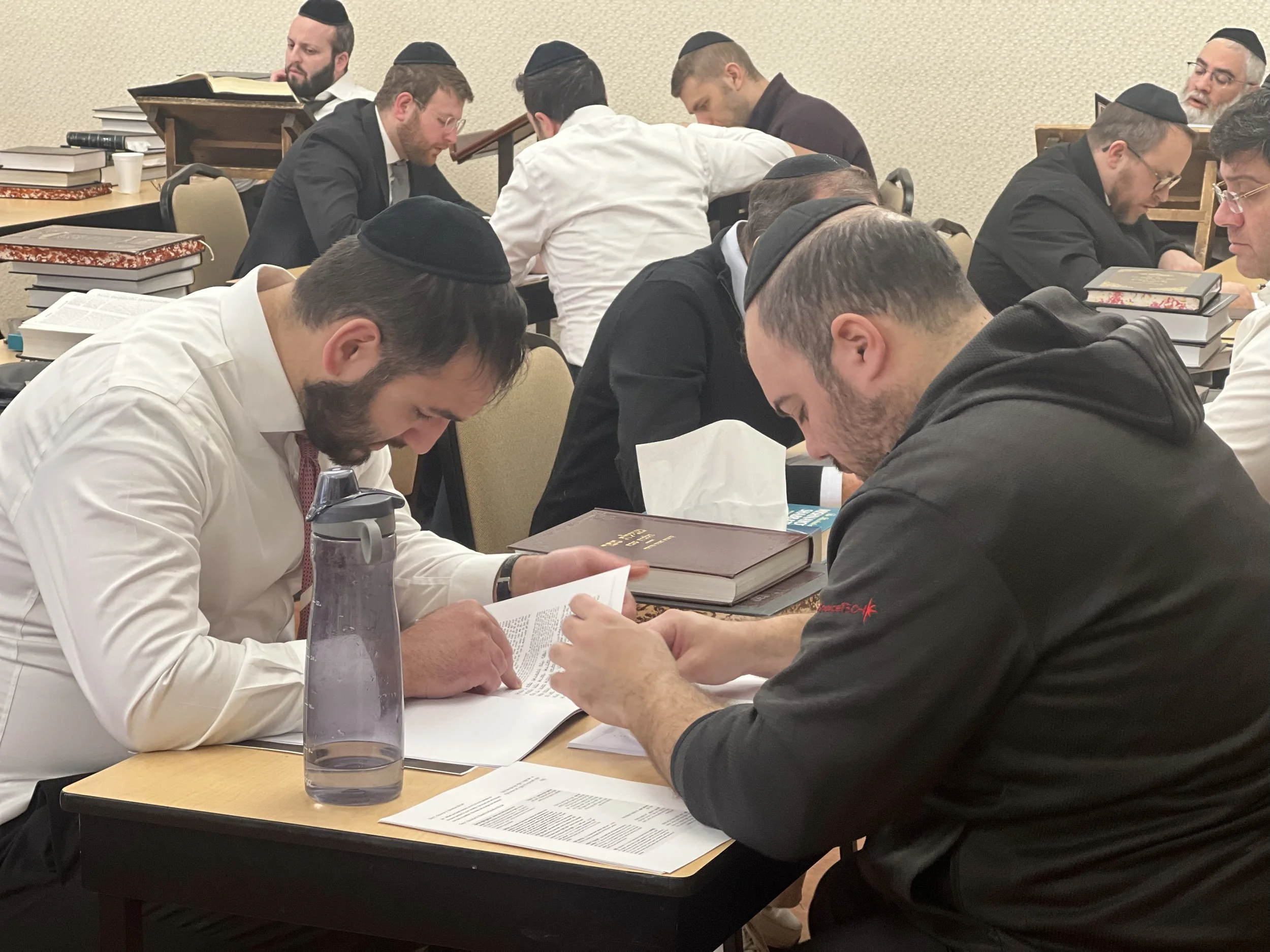
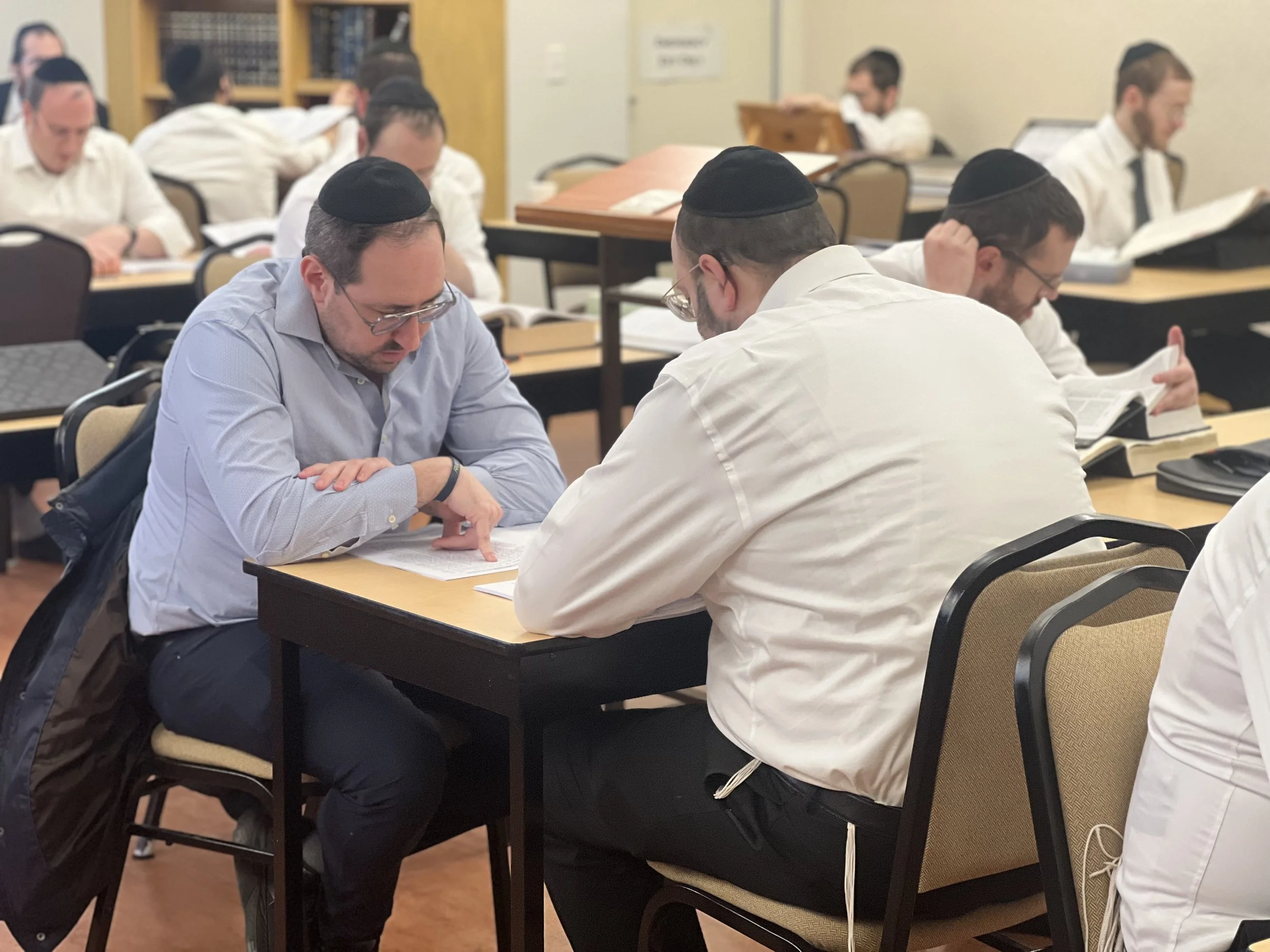
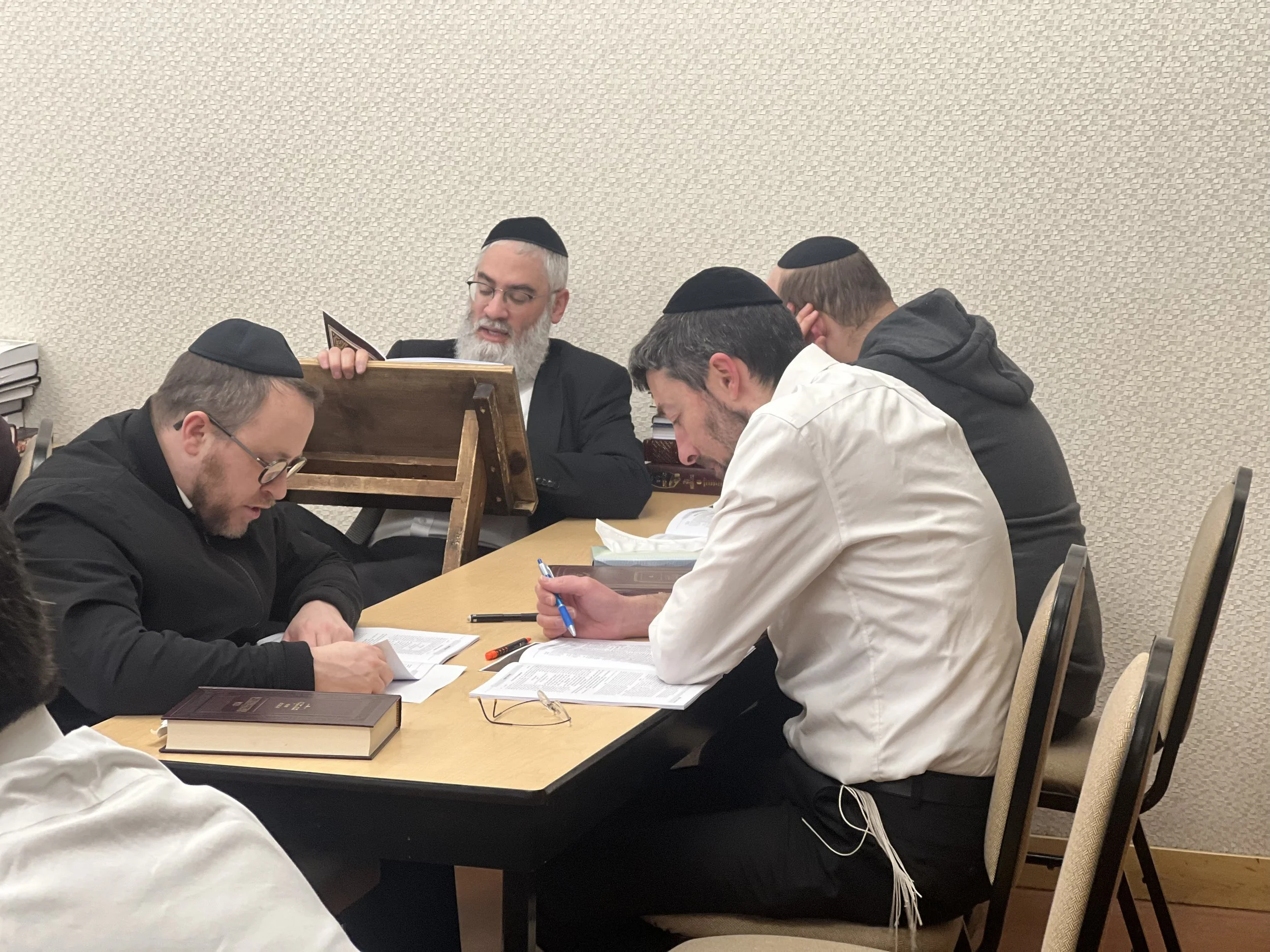
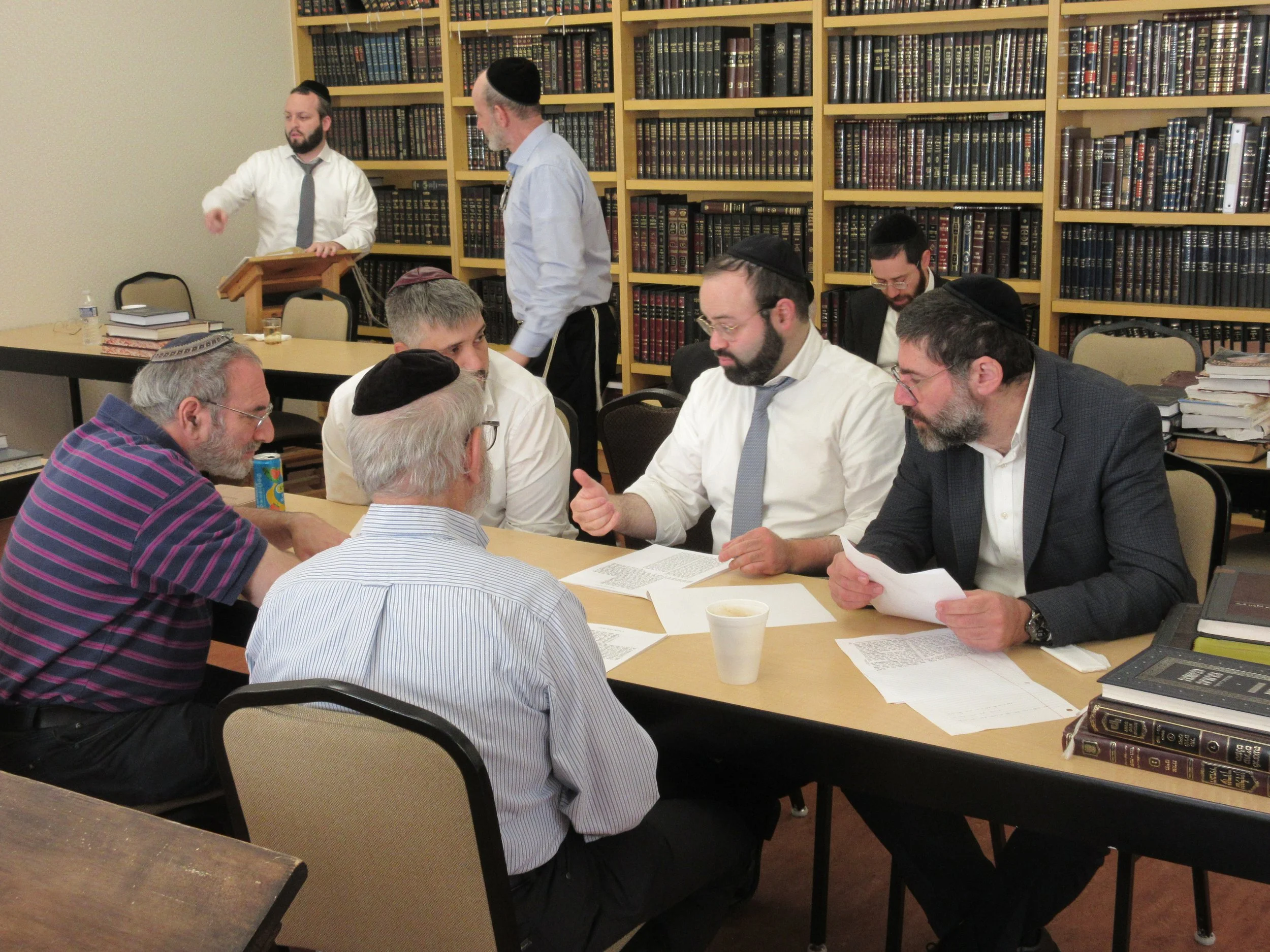
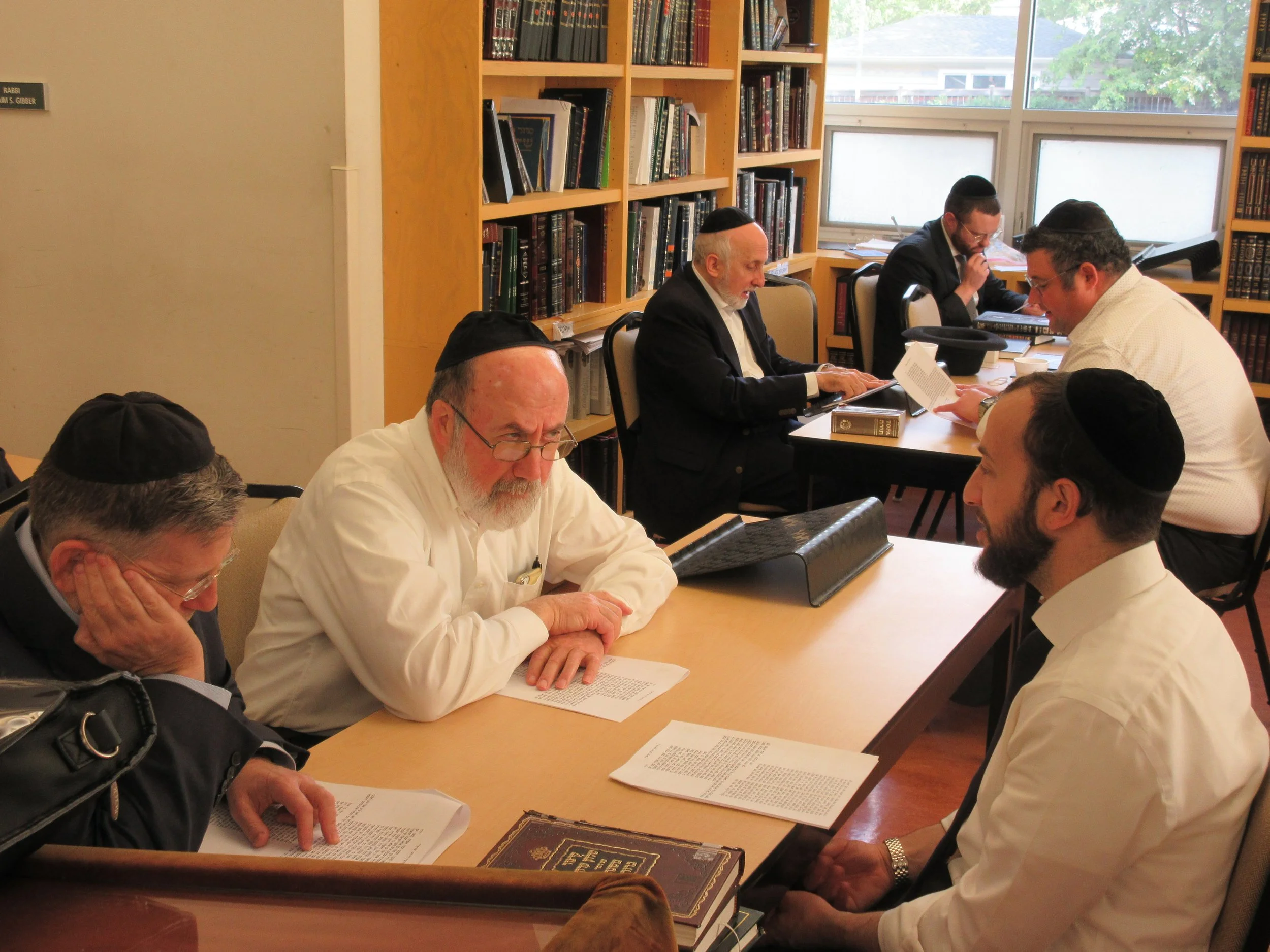
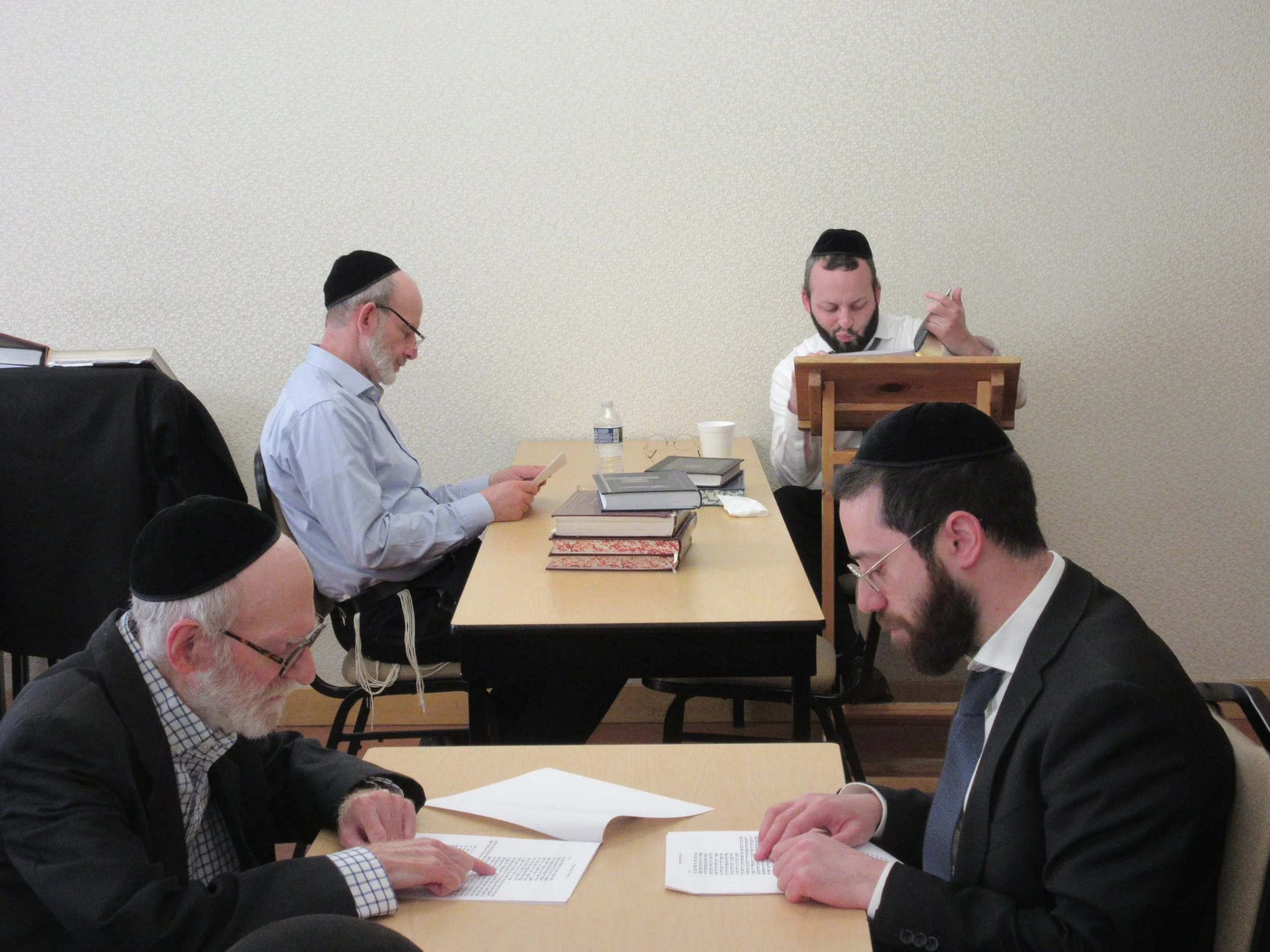
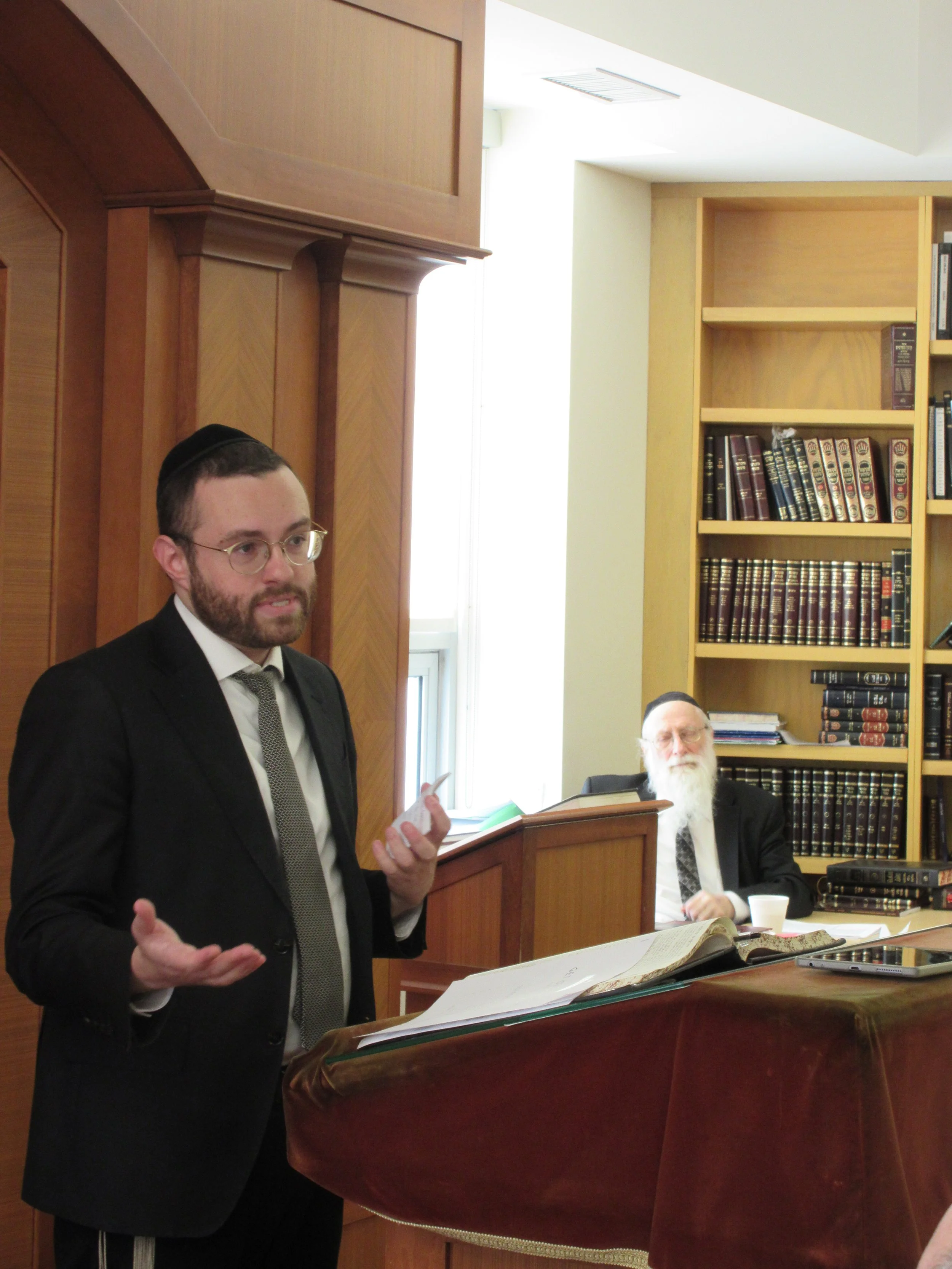
The Business Breakfast: A Piece of the Pie

Including Non-Heirs in the Will

When someone arranges for their estate to pass to someone other than the natural halachic heir, whether by gift or other mechanism, there is a tension between the one’s right to dispose of his property freely during his lifetime versus the Rabbinic disfavor toward deliberately bypassing the Torah’s order of Yerusha (inheritance). What is the proper procedure if one wishes to bequeath a share of his estate to his devoted wife and/or daughters, or a close friend in need, or a favorite charitable cause?

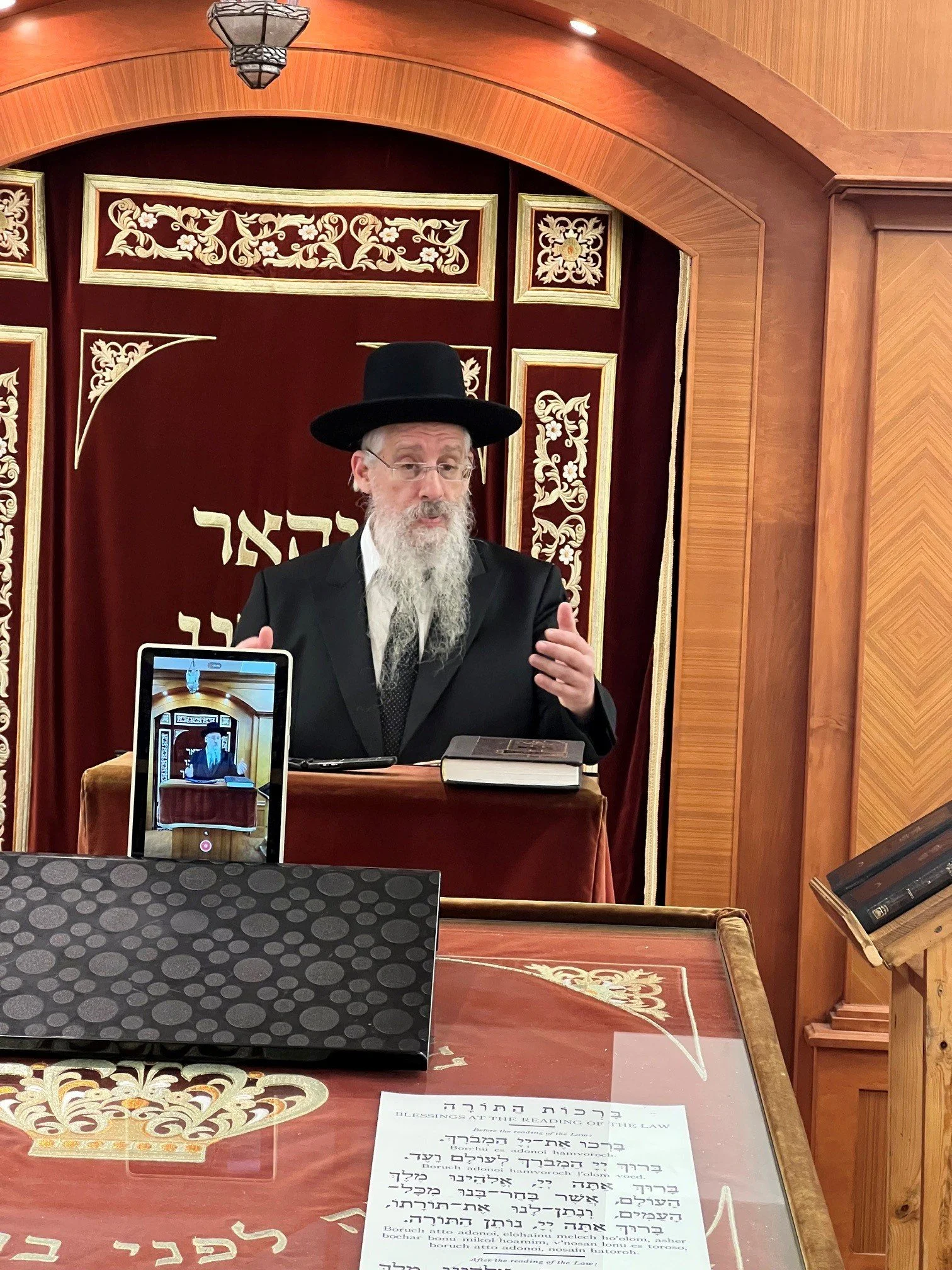
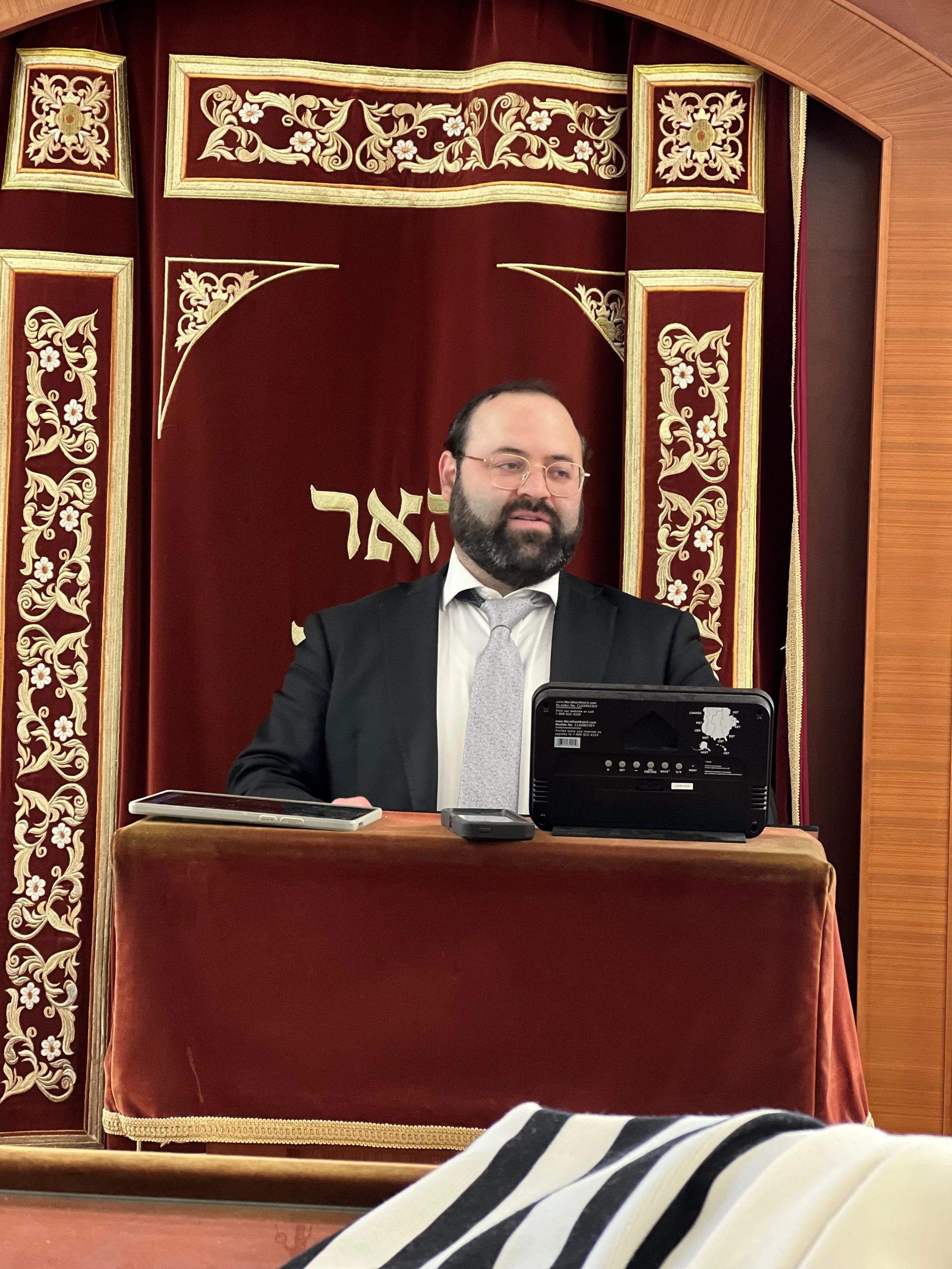
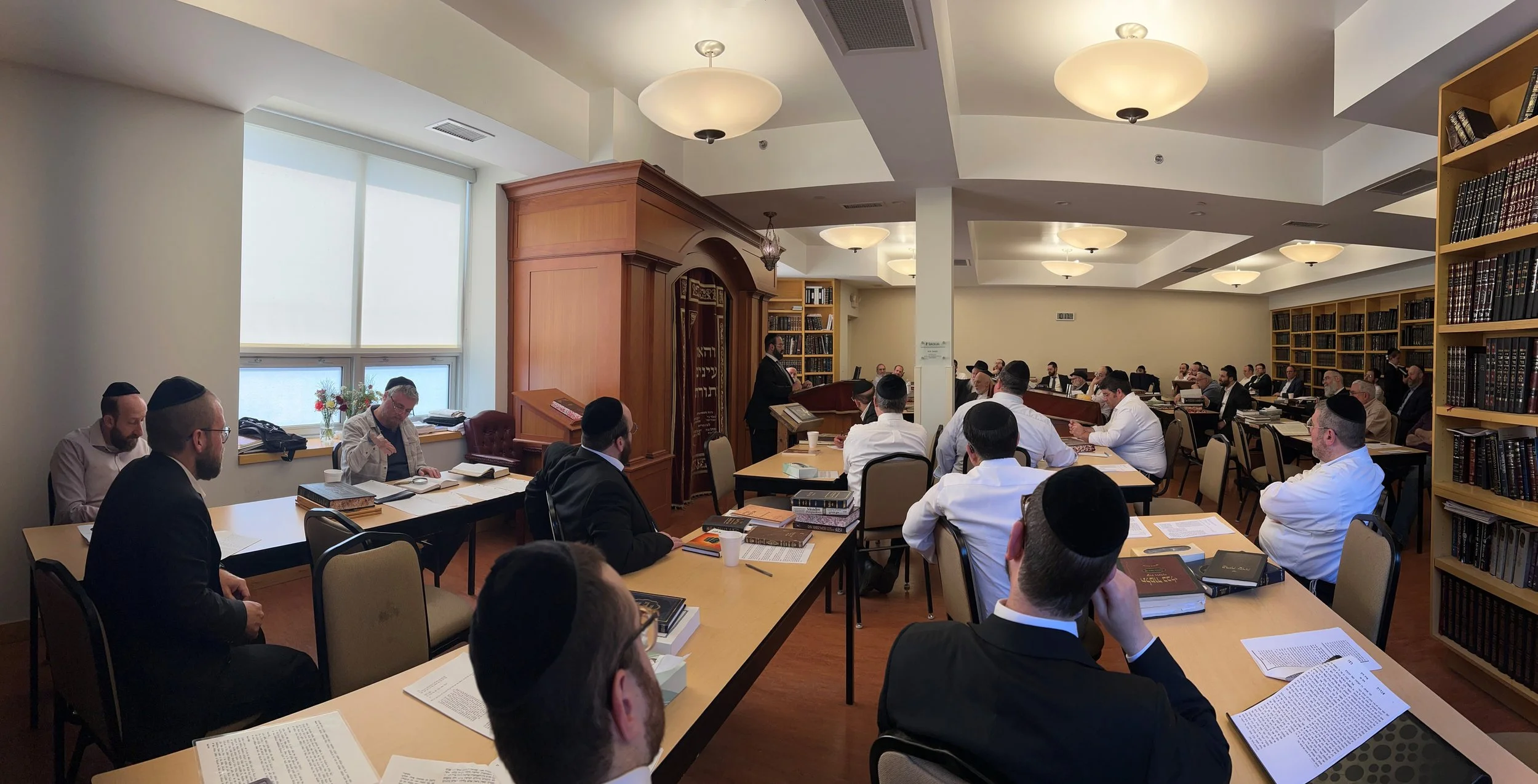
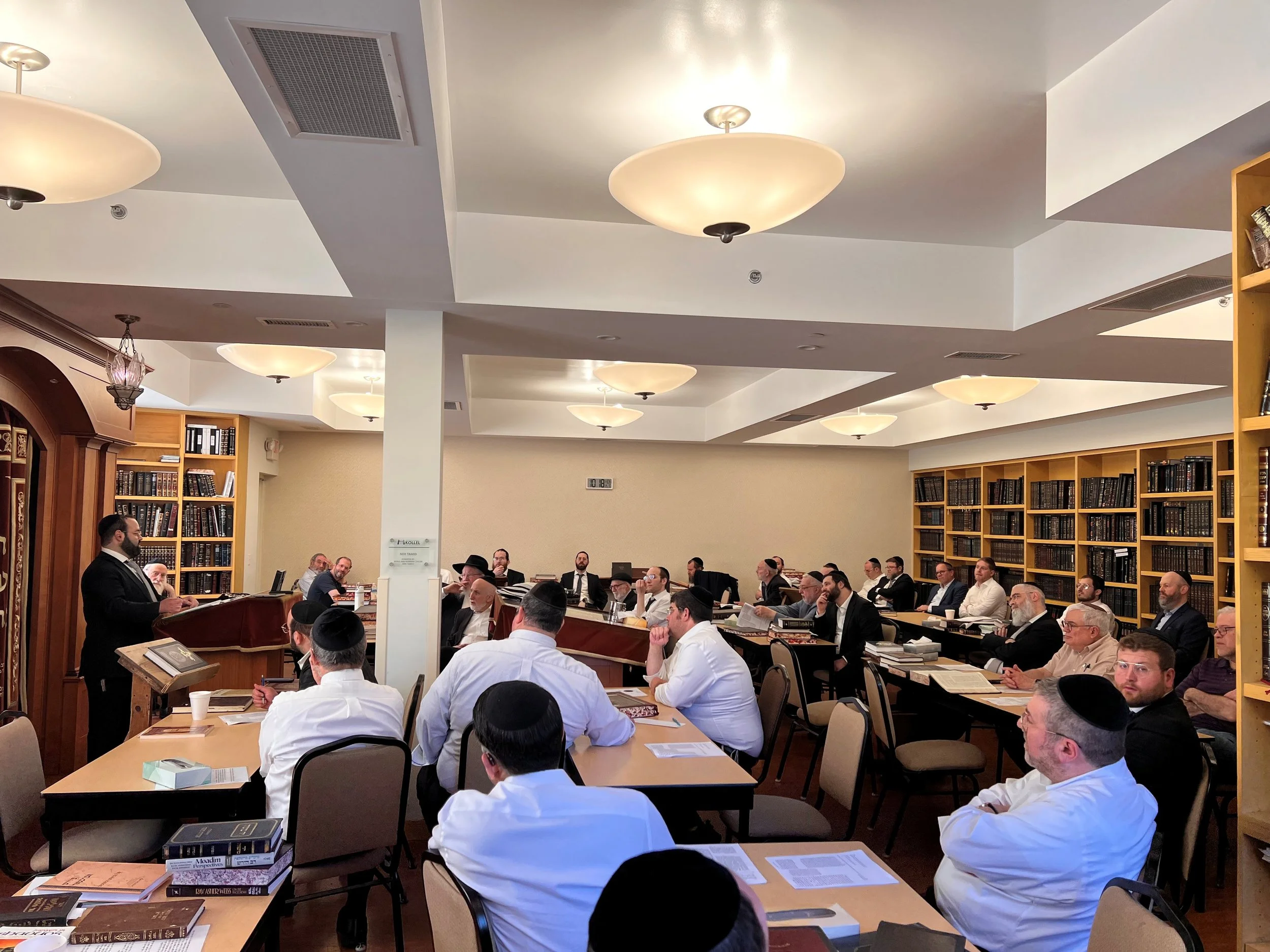
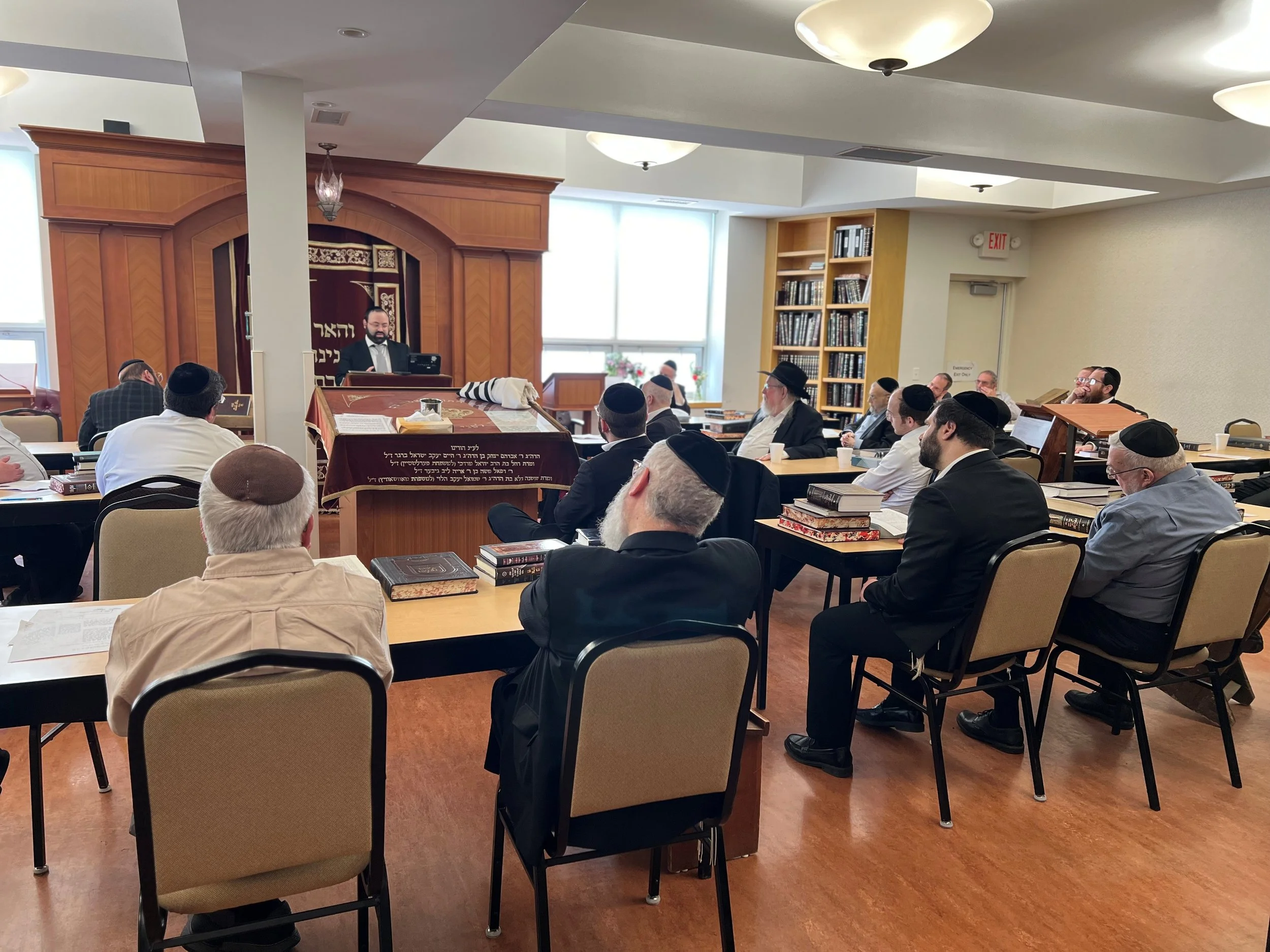
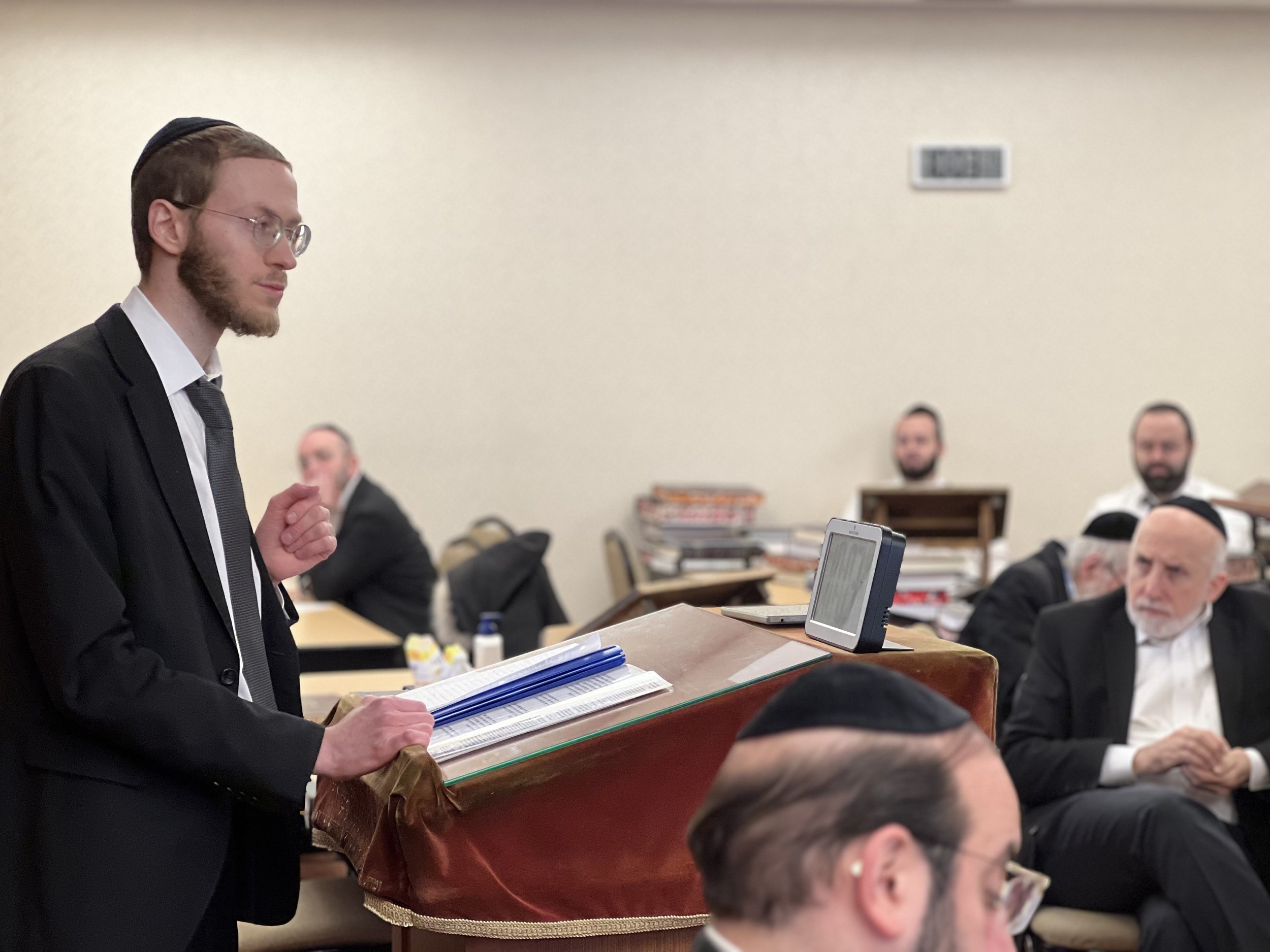
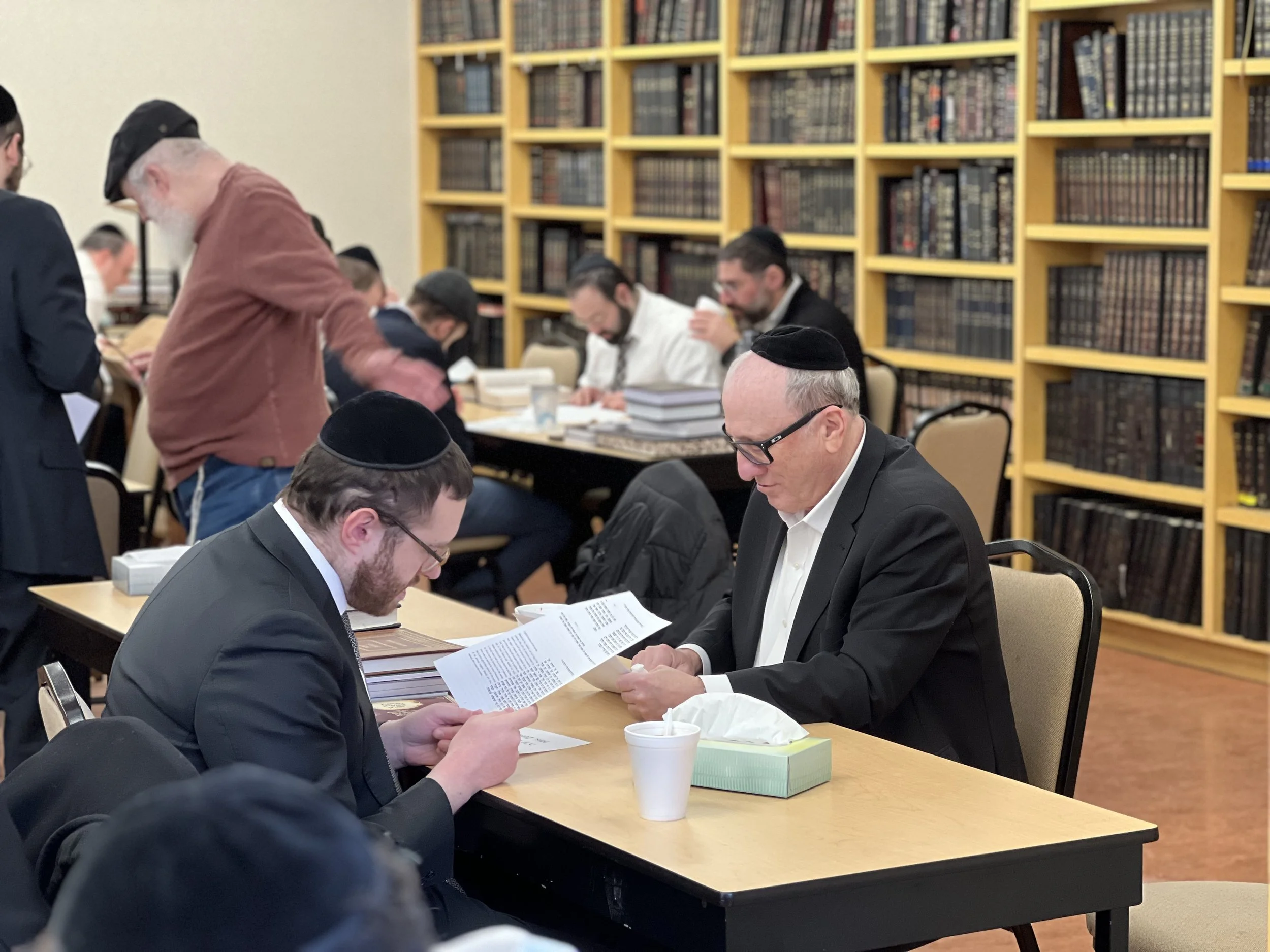
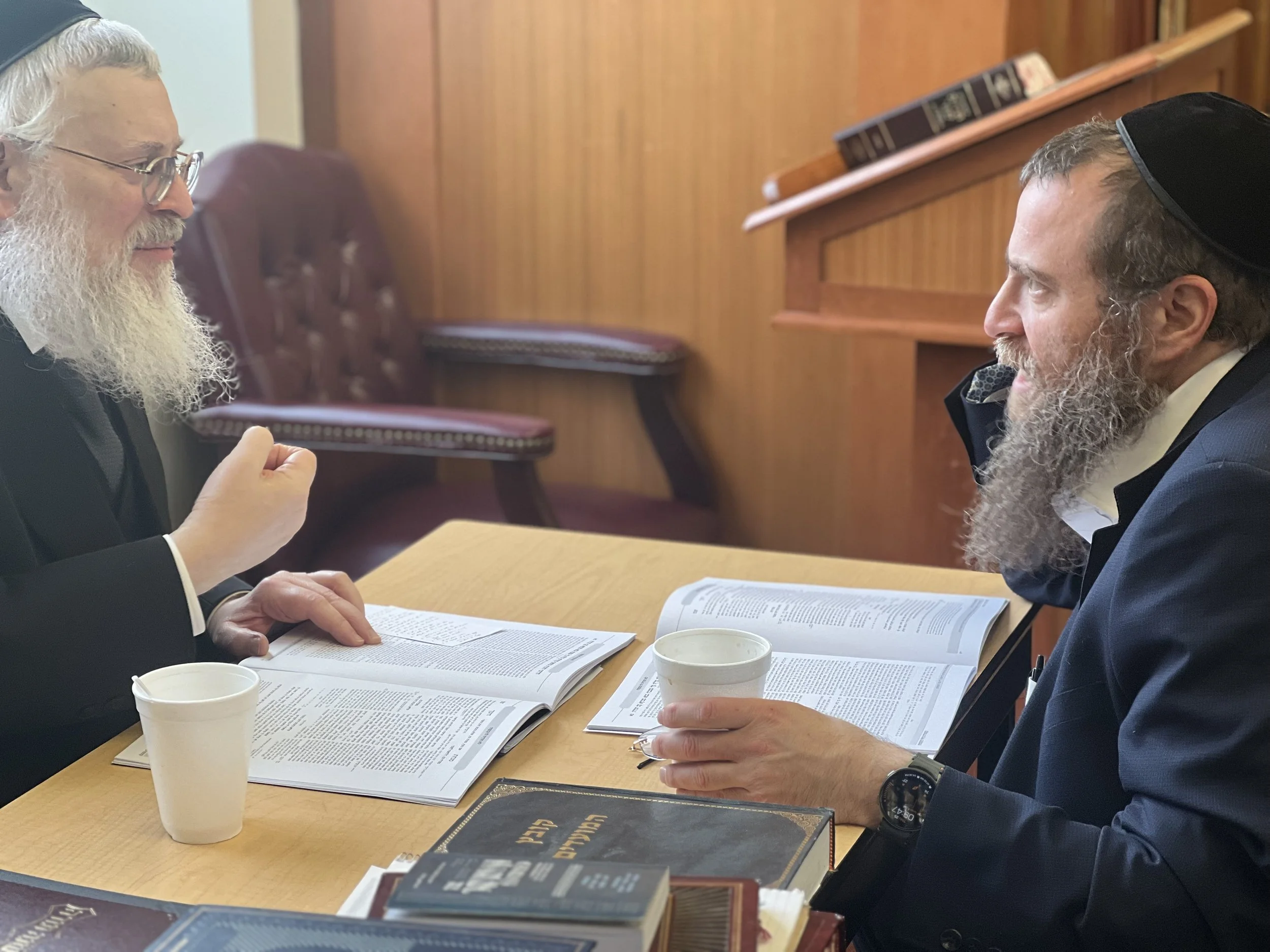
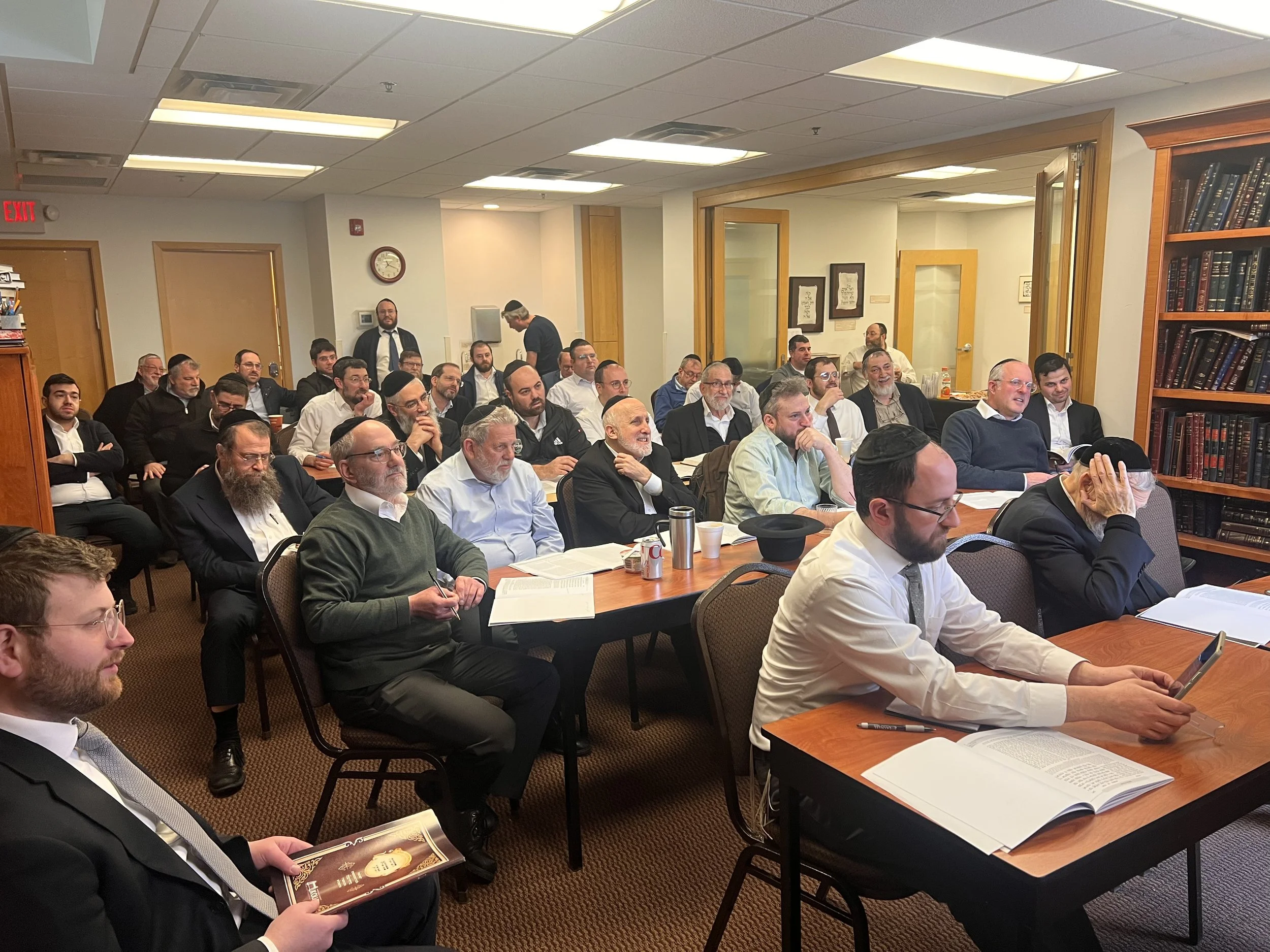
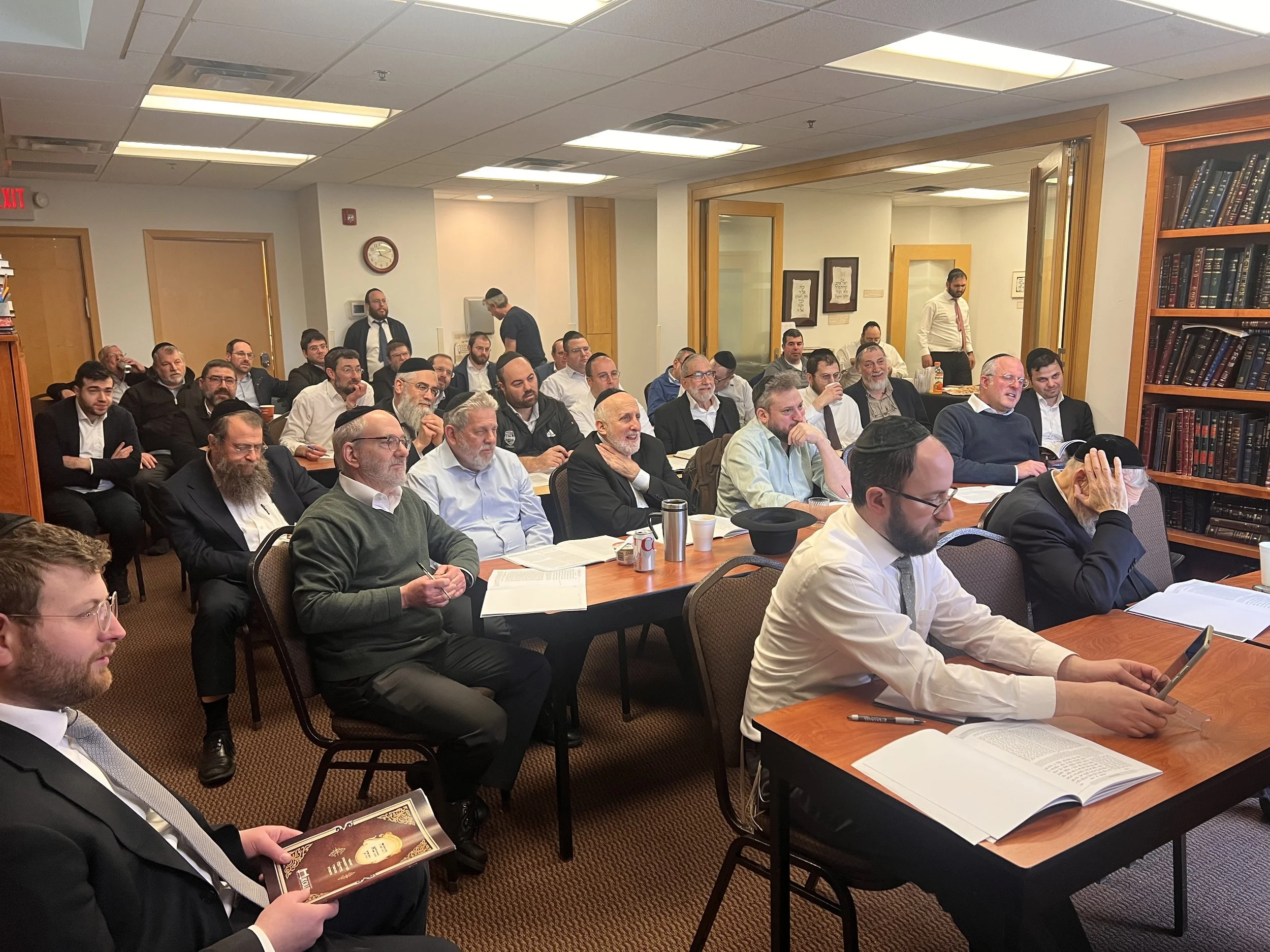
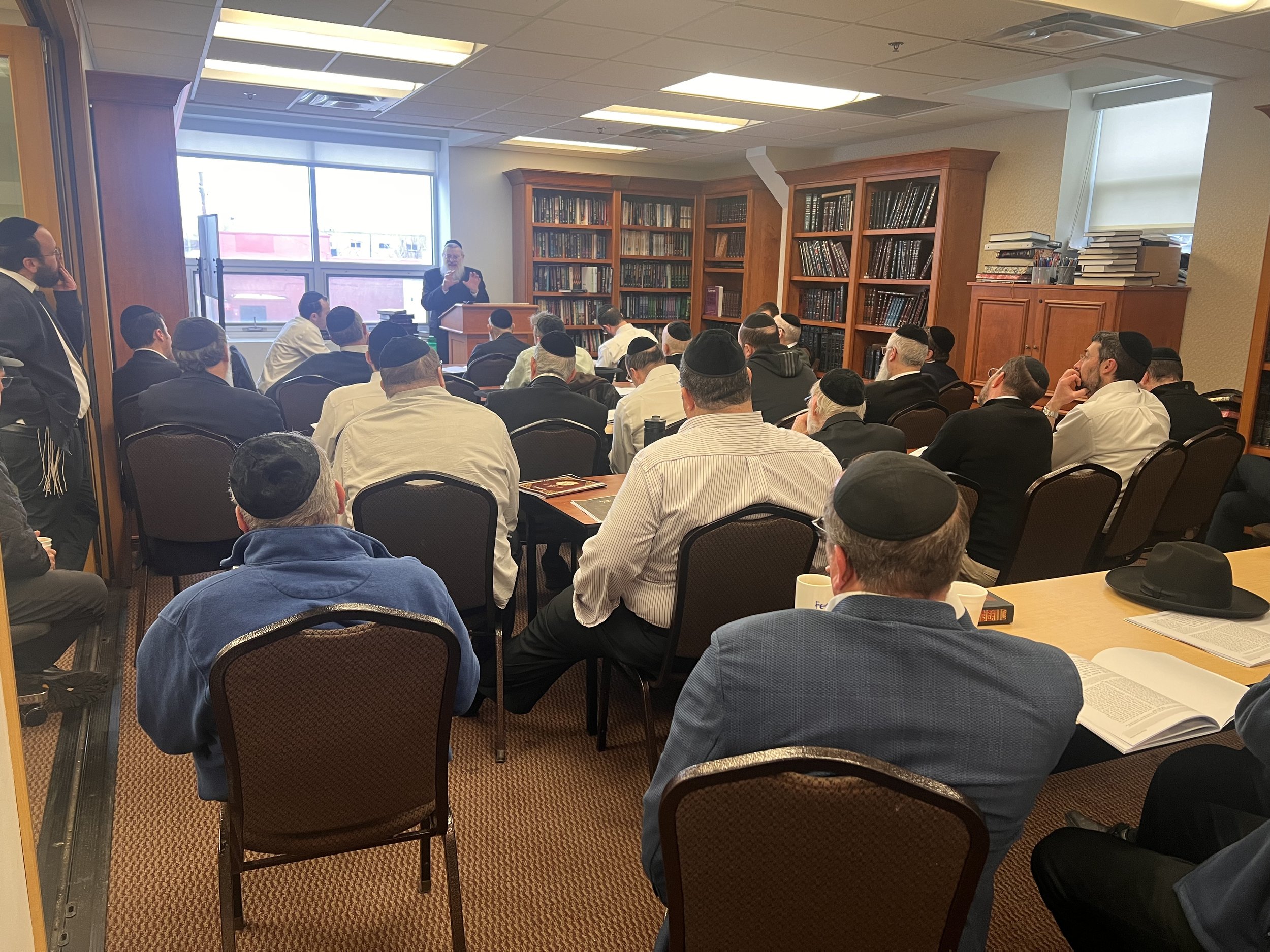
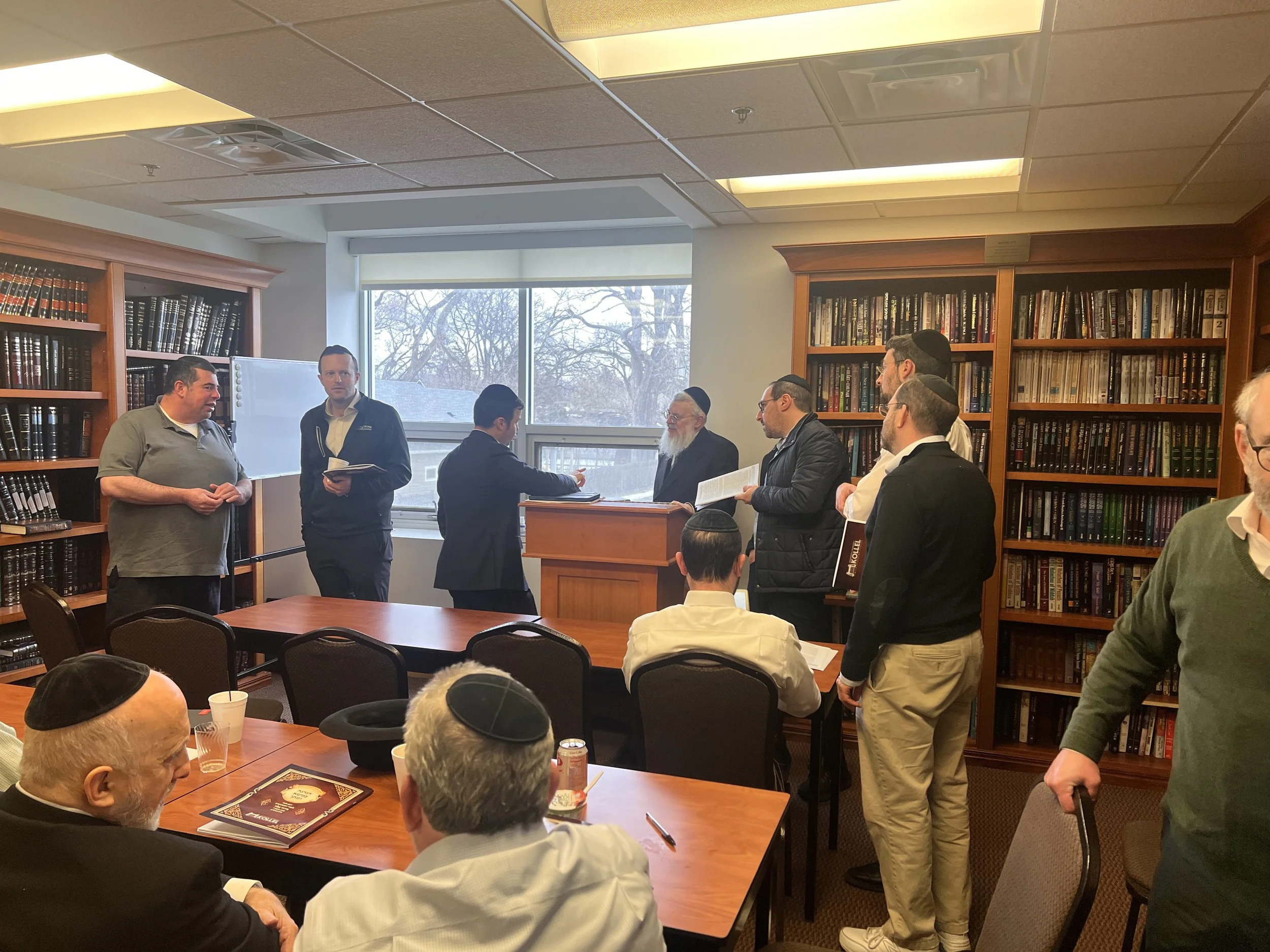
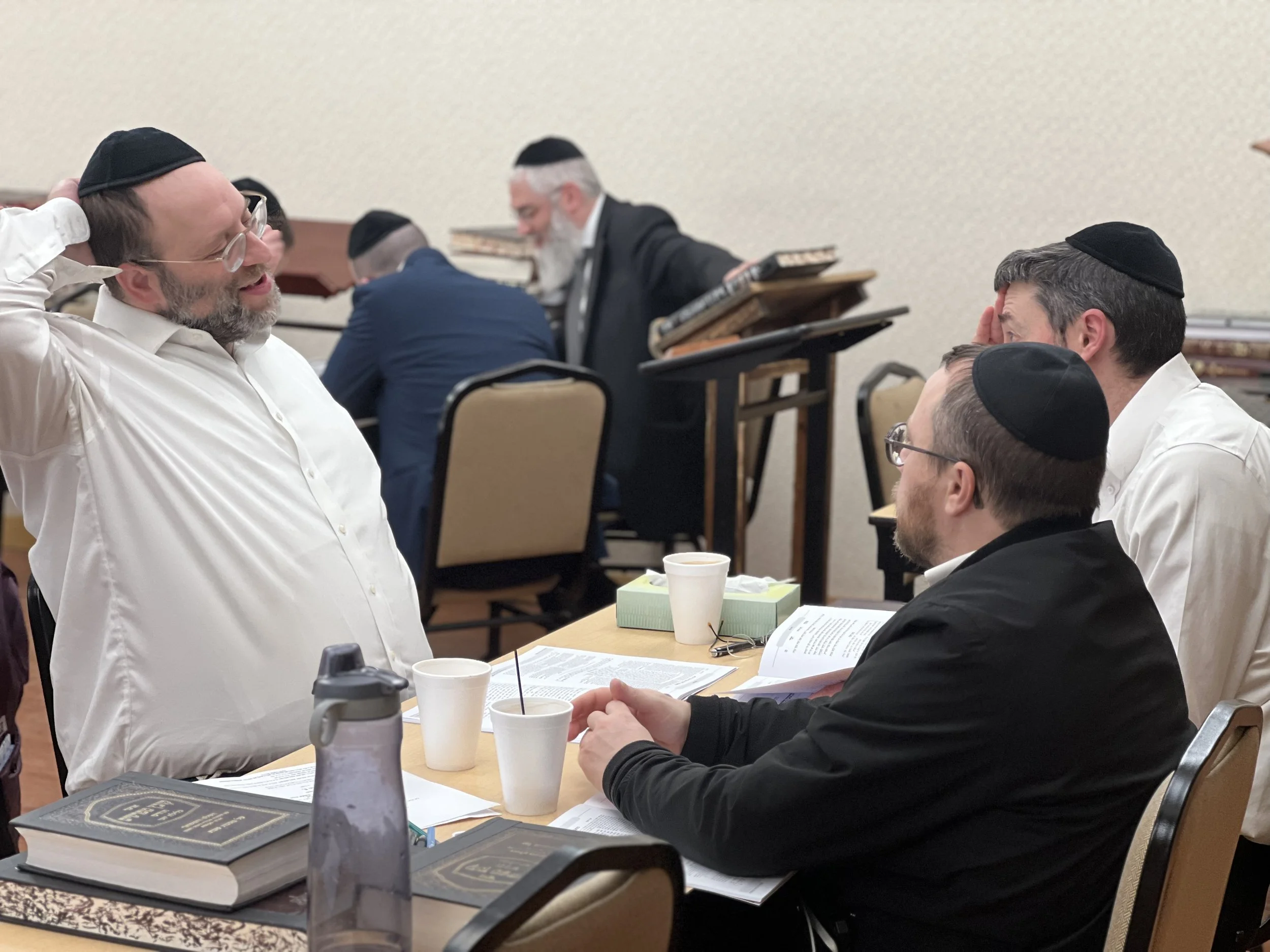
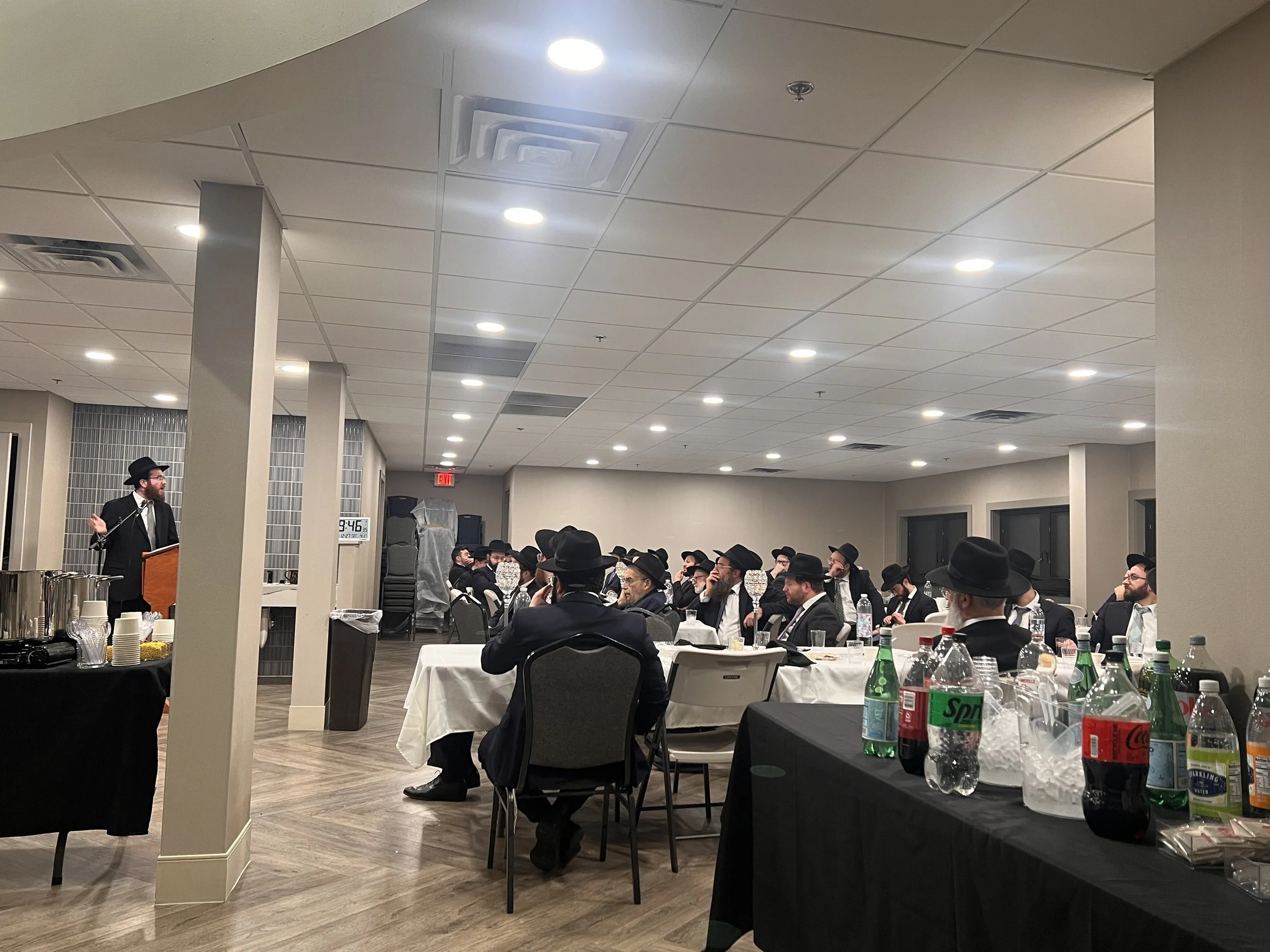
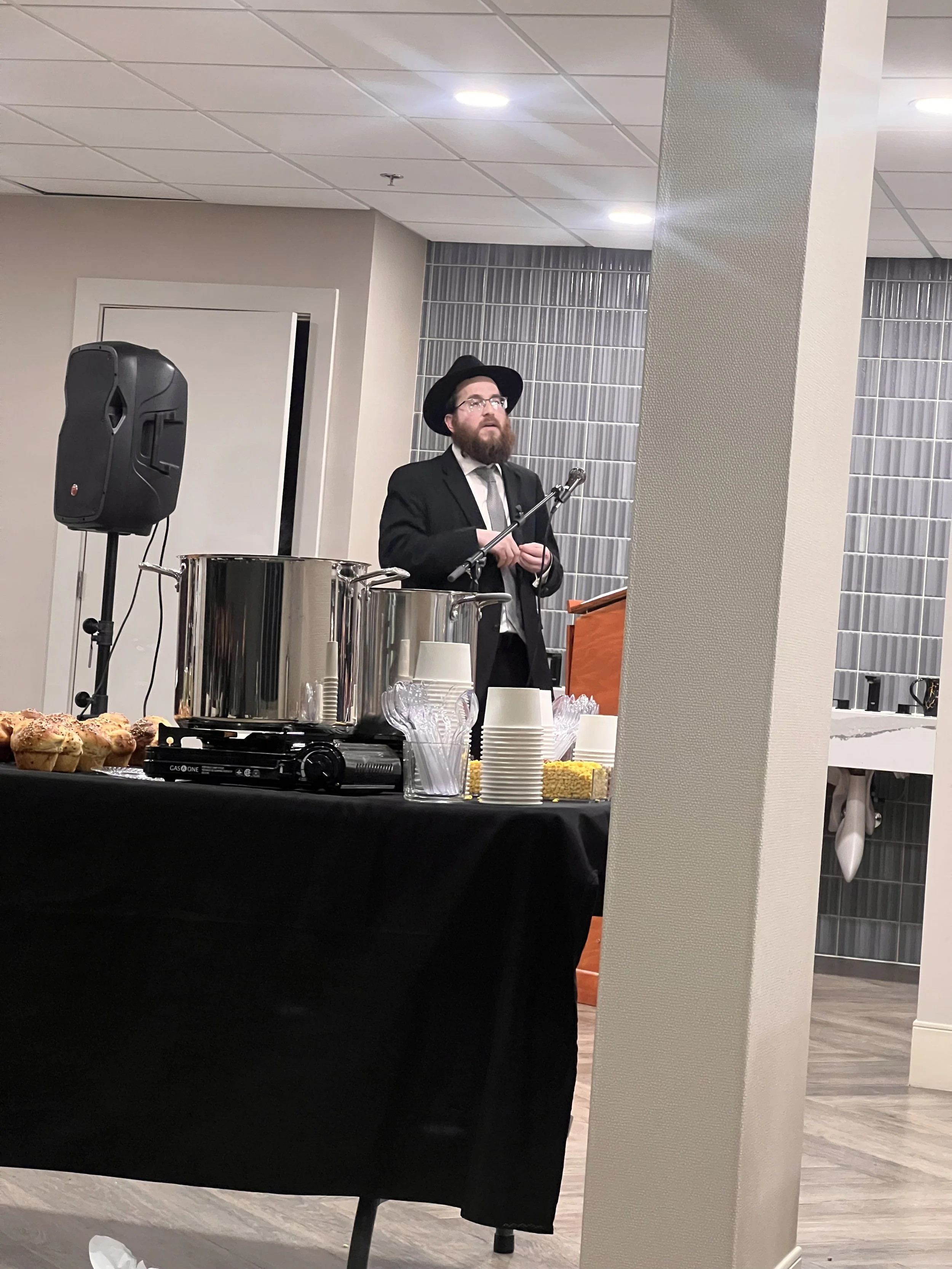
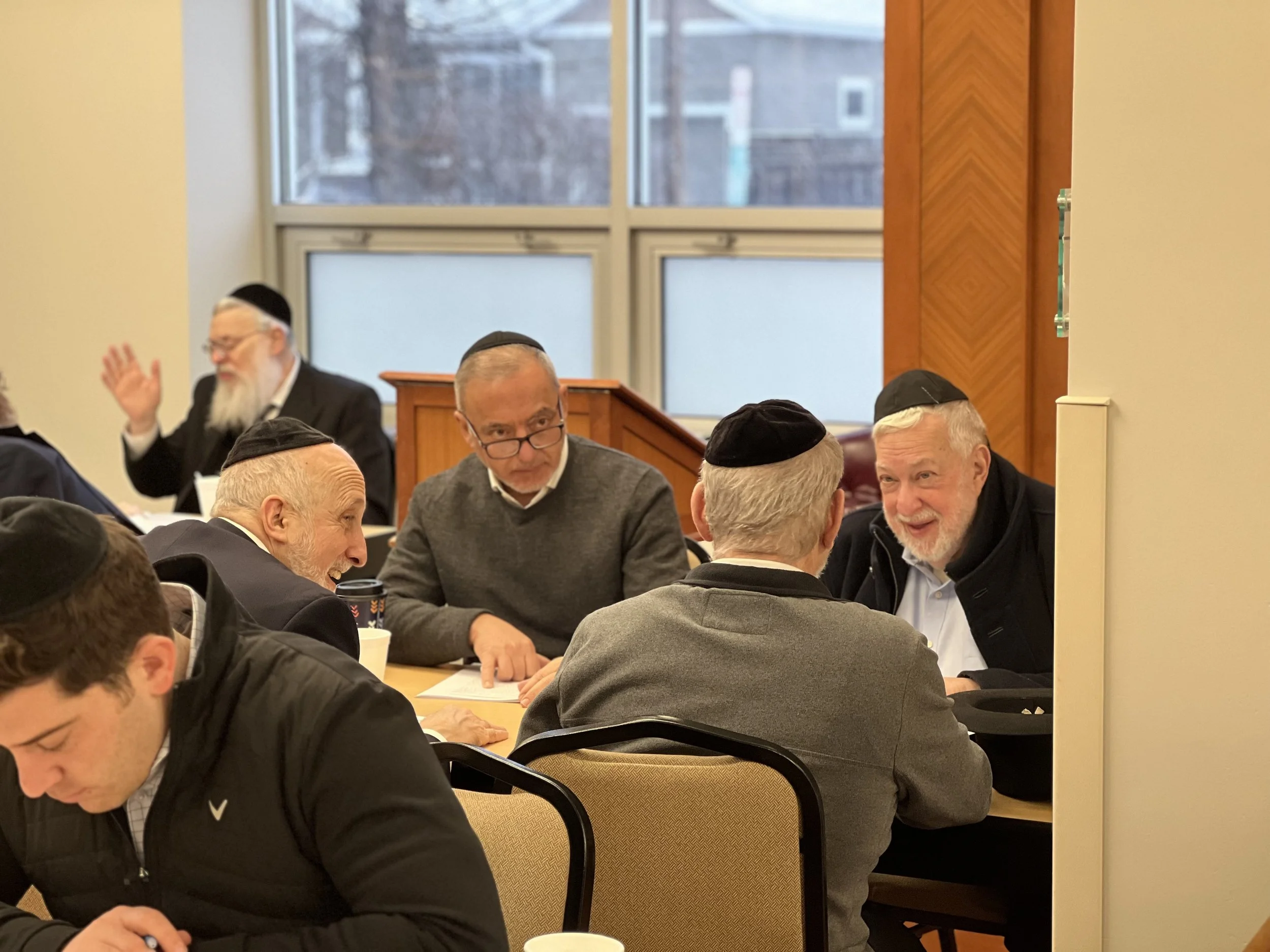
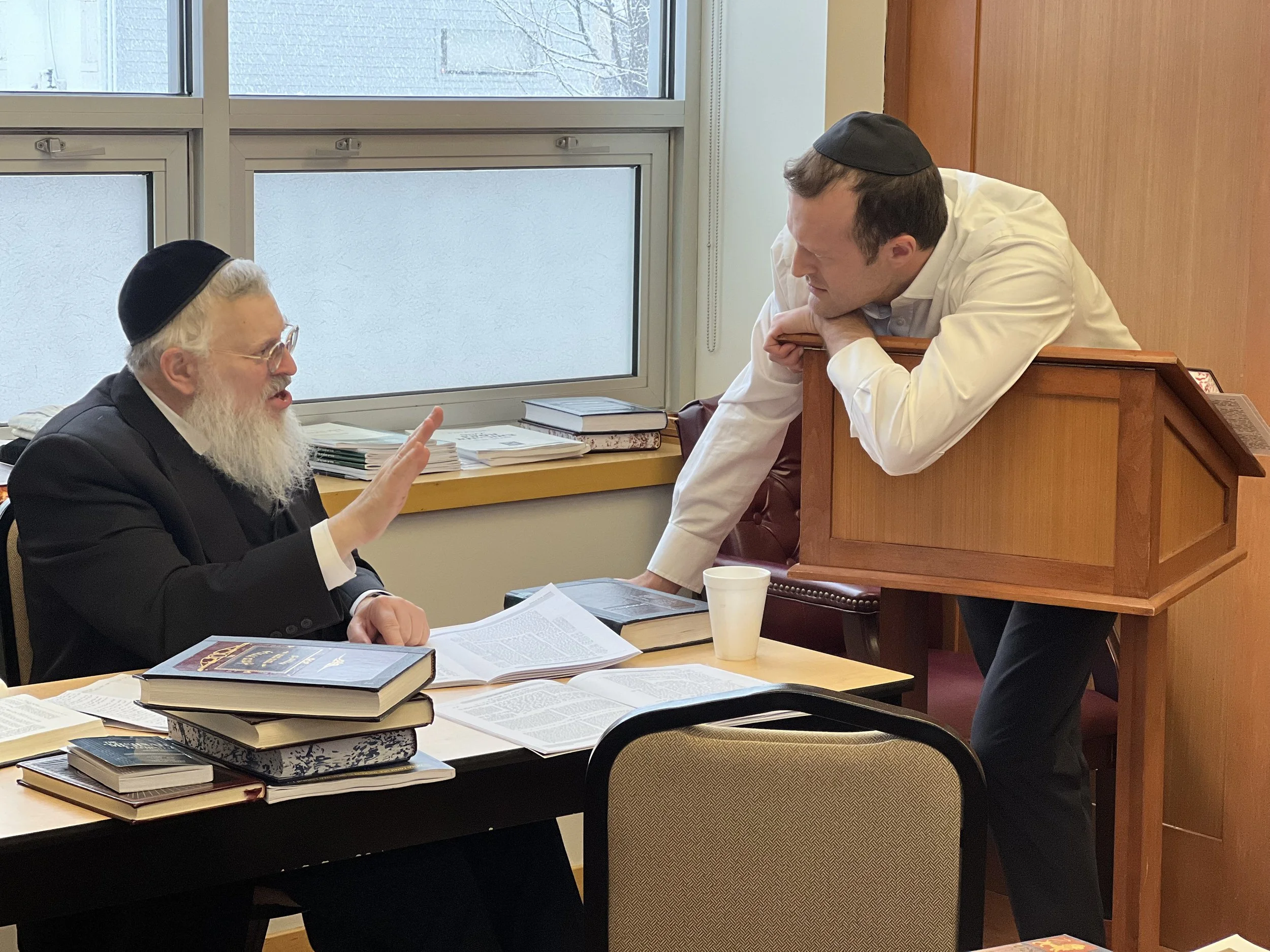
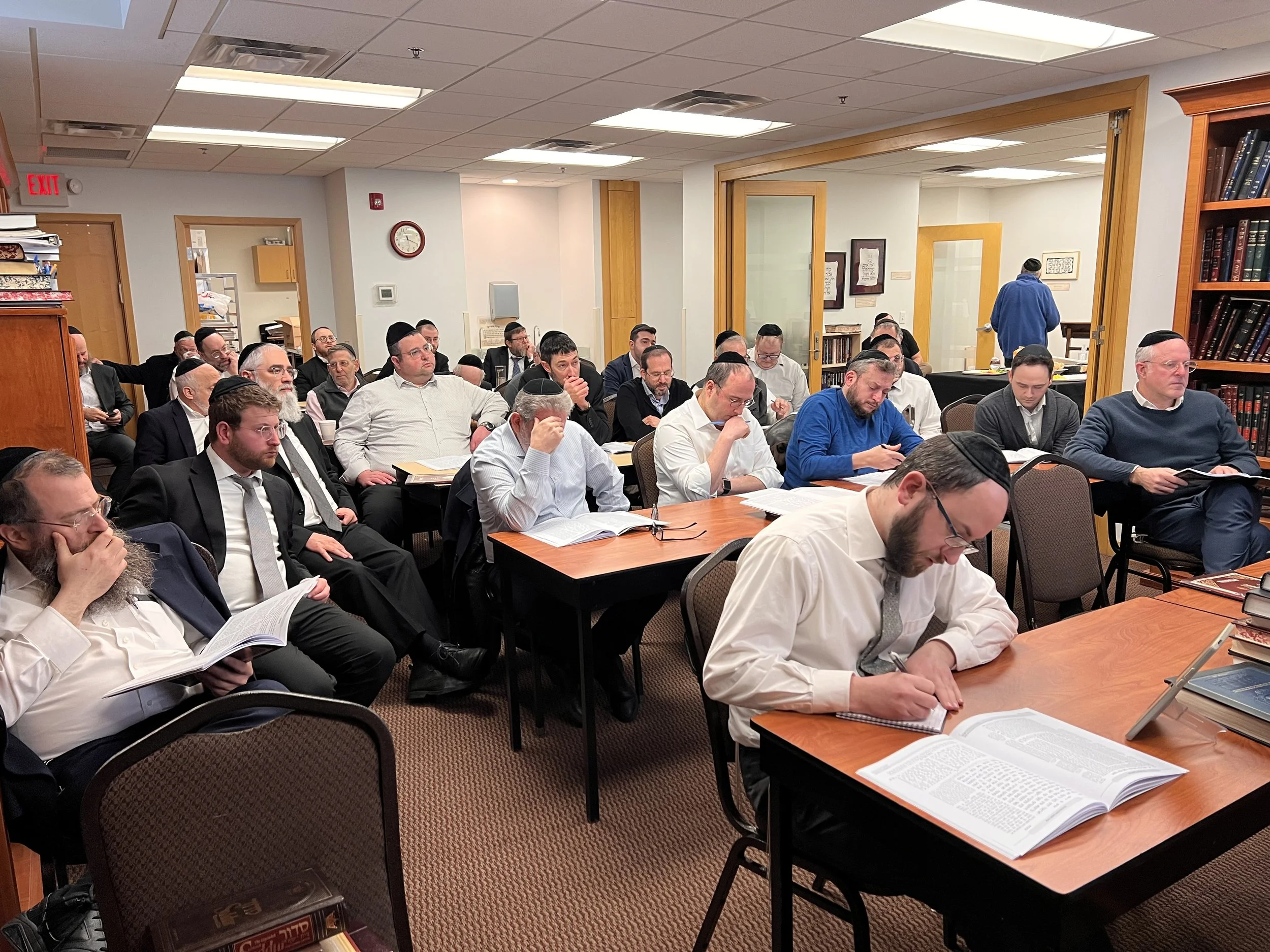
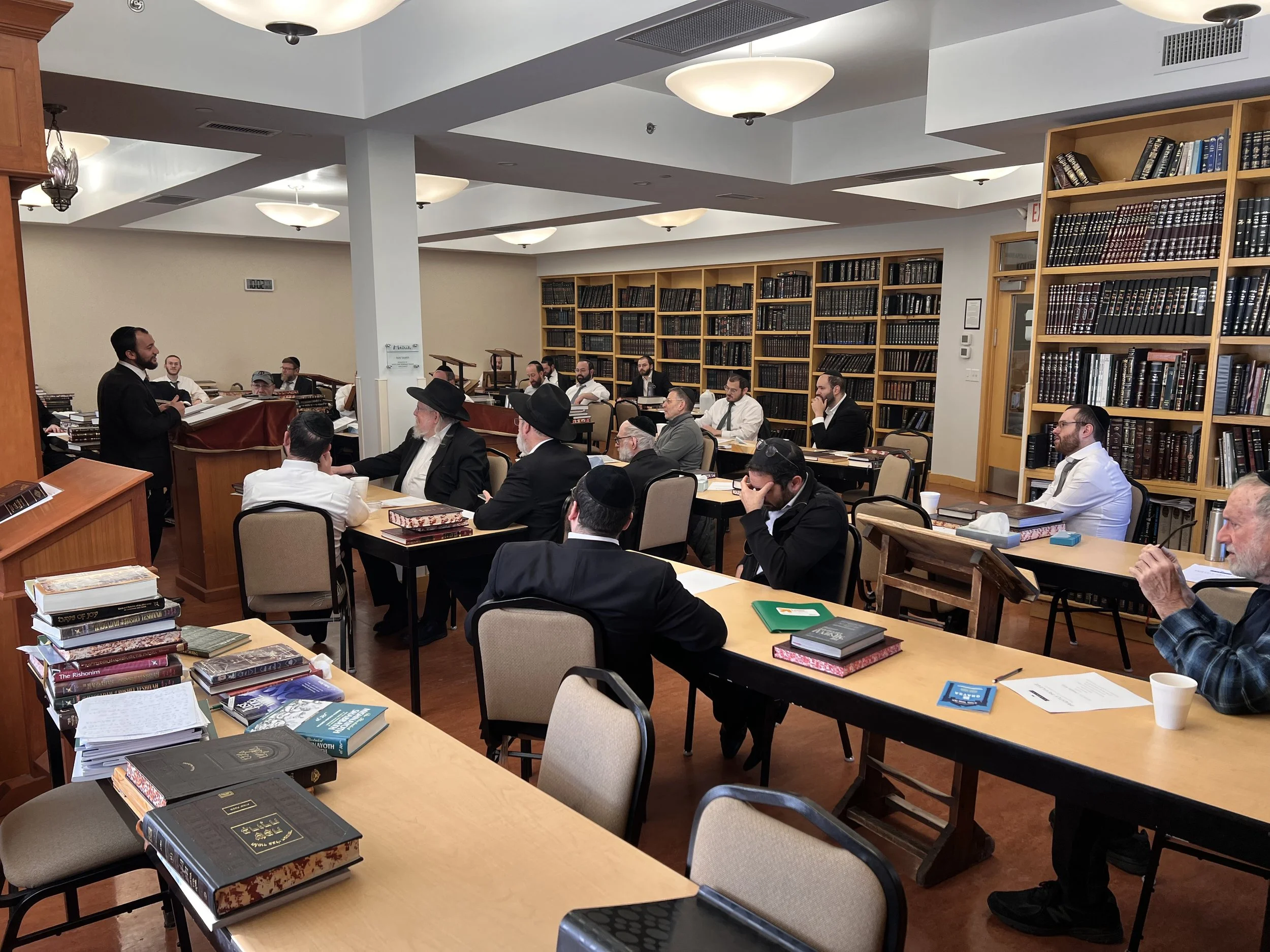
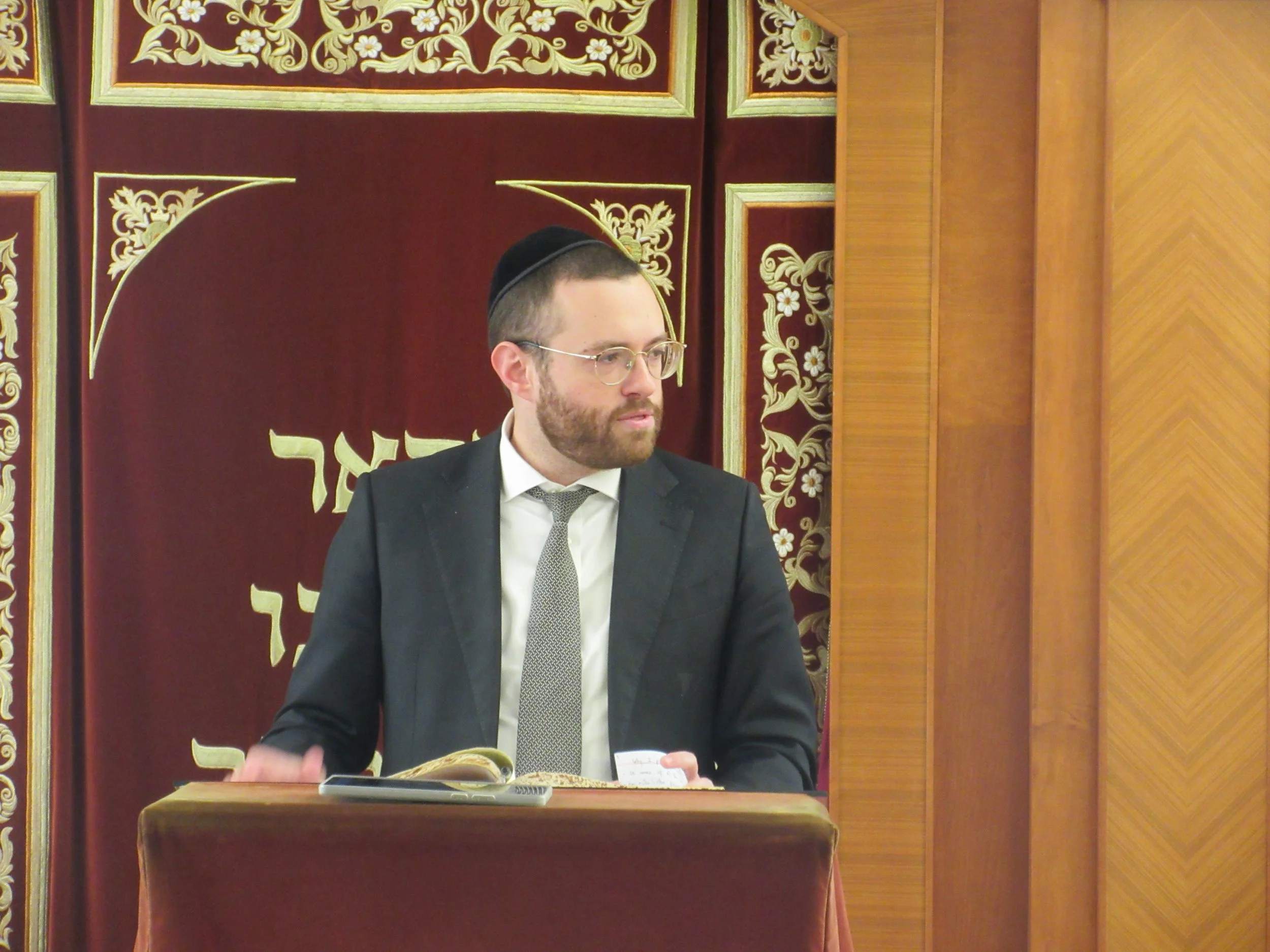
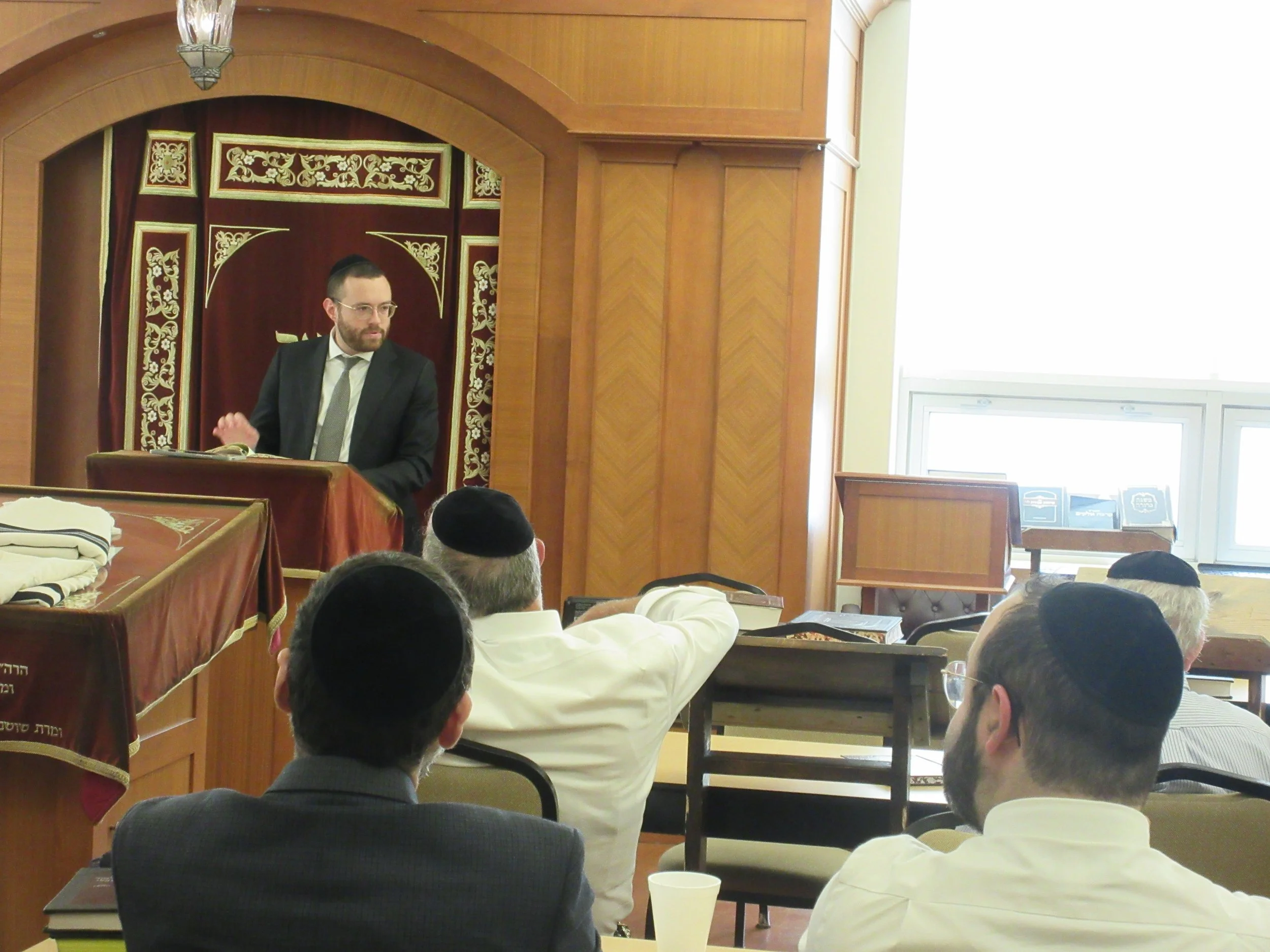
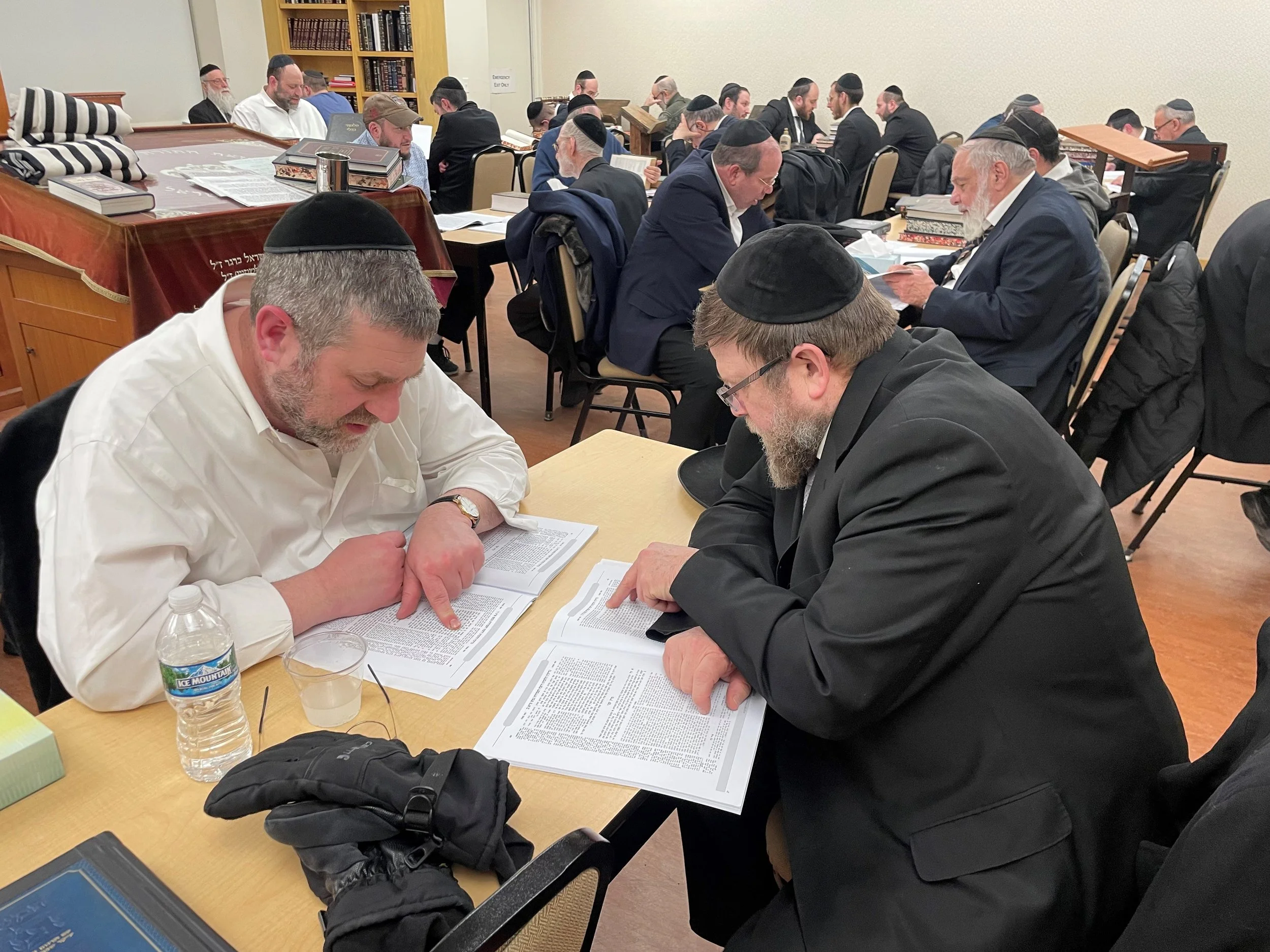
Rabbi Chaim Mendelson, Rosh Kollel of Kollel Toras Zeraim, Yerushalayim, gave us a detailed overview of both the halachic problems and the potential halachic solutions. Rabbi Mendelson emphasized that it is most important to ensure that shalom will continue to reign in the family and no one will feel disenfranchised.

A Piece of the Pie: Including Non-Heirs in the Will
Rabbi Chaim Mendelson

Memorial Day Legal Holiday Learning: Determining Darkness

When is Halachic nightfall?

“And there was evening and there was morning, one day.”

According to the Torah, the new day begins with nightfall. Ok, so when is that? Seems simple enough - when it gets dark outside. But how dark? And what if you are not able to observe yourself? Is there a fixed amount of time to rely on, or is it relative to the conditions of the observer? The Gemara explores this in a couple of places, but there seem to be contradictions. How do we reconcile the various statements of our Sages?

As Rabbi Paysach Yehuda Diner explained is his precise and lucid shiur, there are two main opinions: Rabbeinu Tam, and the Geonim with the Vilna Gaon. But how does that translate to the times used for nightfall in contemporary America- 42, 50, 60 minutes?

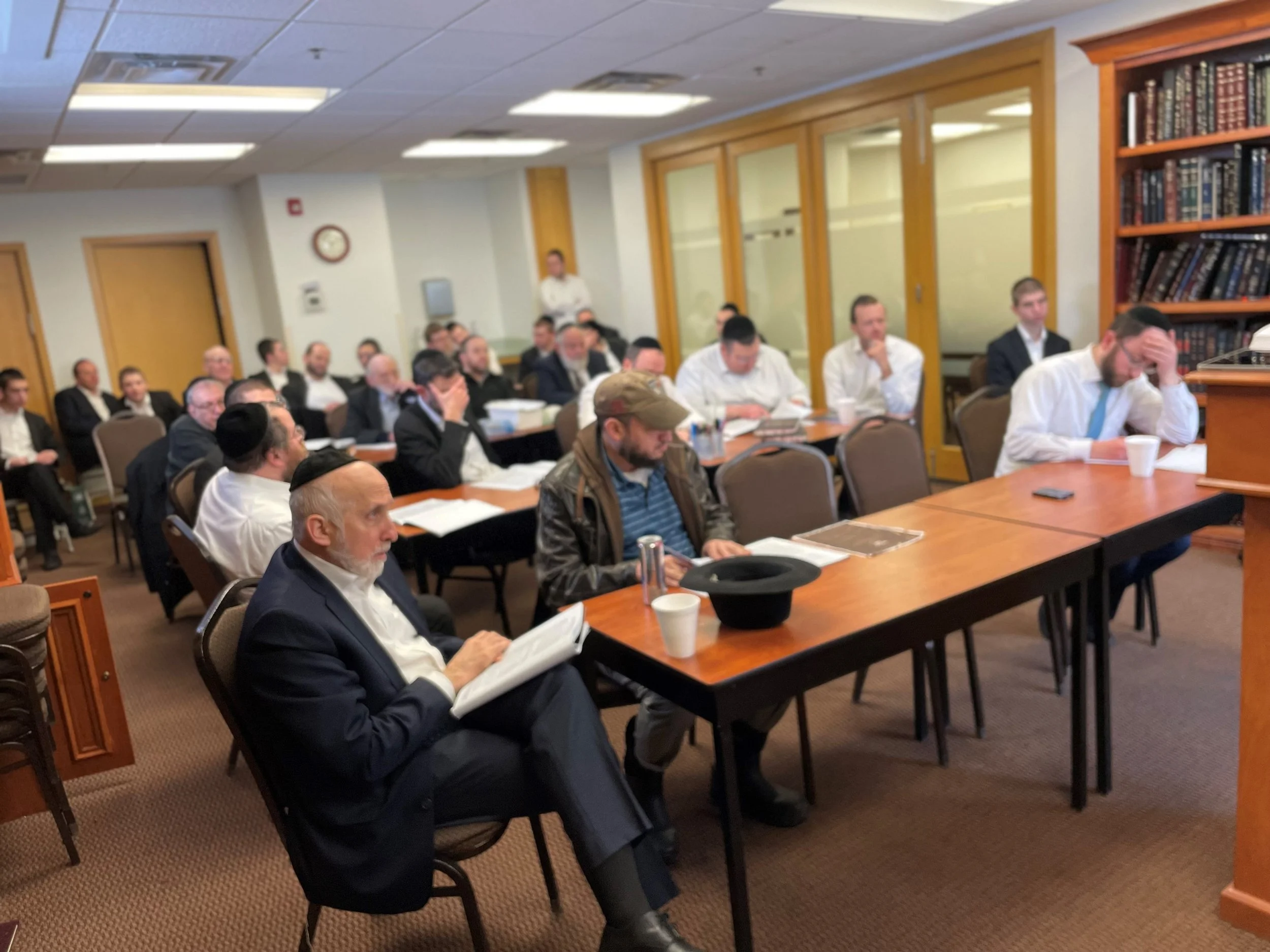
Listen to the highly relevant shiur that brought a packed house to the Kollel on everyone’s day off! Follow along with the sources here.

Determining Darkness: When is Halachic Nightfall?
Rabbi Paysach Yehuda Diner

Jan. 1st Legal Holiday Learning: Monthly Meeting

Kiddush Levana

One who blesses the moon in its correct time is as if he met the Shechina… (Sanhedrin 42a)

How can we make the most of our monthly meeting with the Shechina? Rabbi Dovid Yaakov Zuckerberg led us through a shiur that explained many of the halachic details of Kiddush Levana, as well as some of the deeper meaning of this bracha.

Topics discussed included:

  • Why is it called Kiddush Levana?

  • What is the intent of Kiddush Levana?

  • When during the month, and on what day of the week should Kiddush Levana be said?

  • How should we prepare ourselves to say Kiddush Levana?

  • What’s with the dancing afterwards?

  • and much more!

Listen to the recording below and follow along with the sources here.

Monthly Meeting: Kiddush Levana
Rabbi Dovid Yaakov Zuckerberg

5th Annual Minneapolis Yarchei Kallah

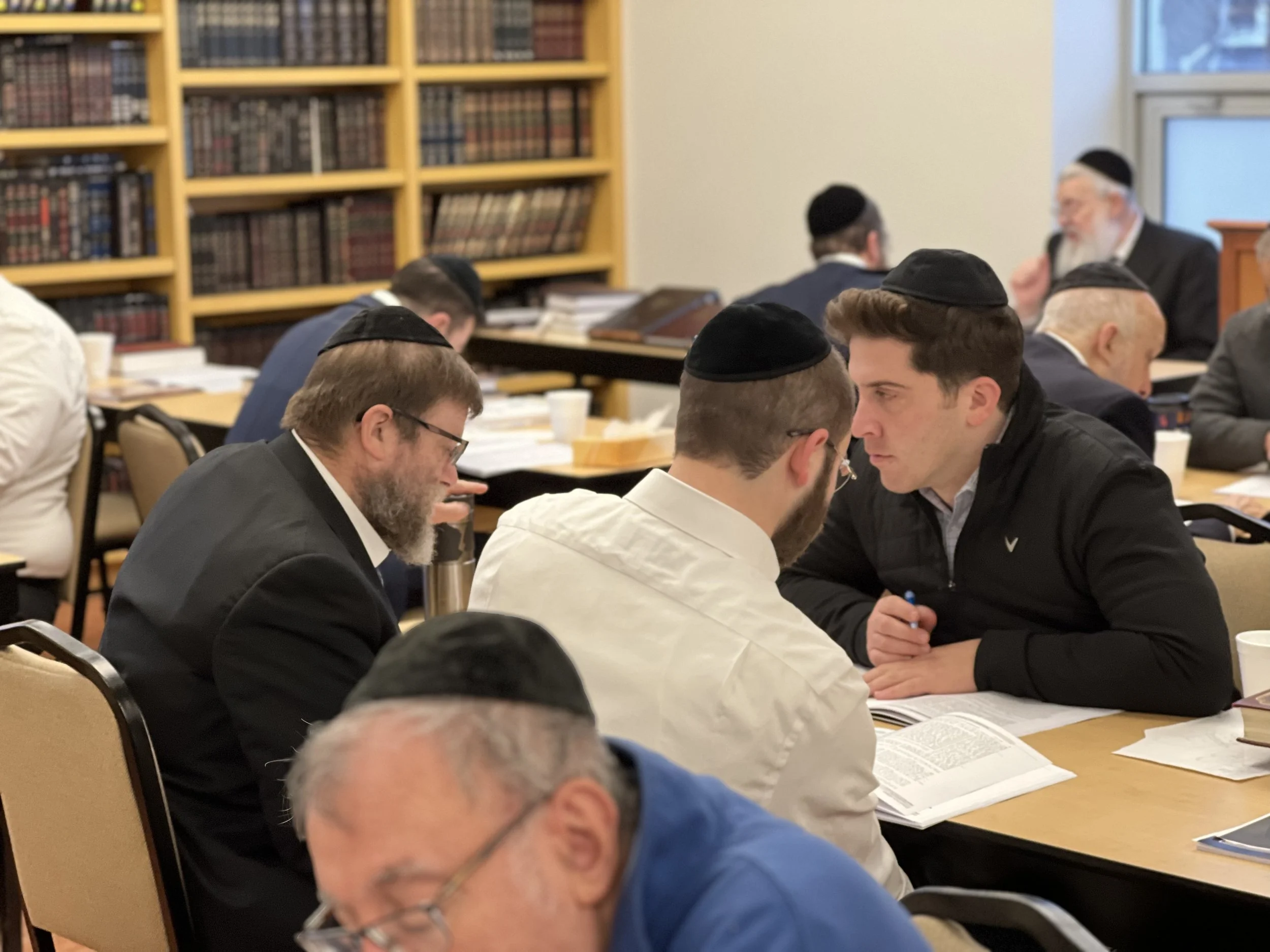
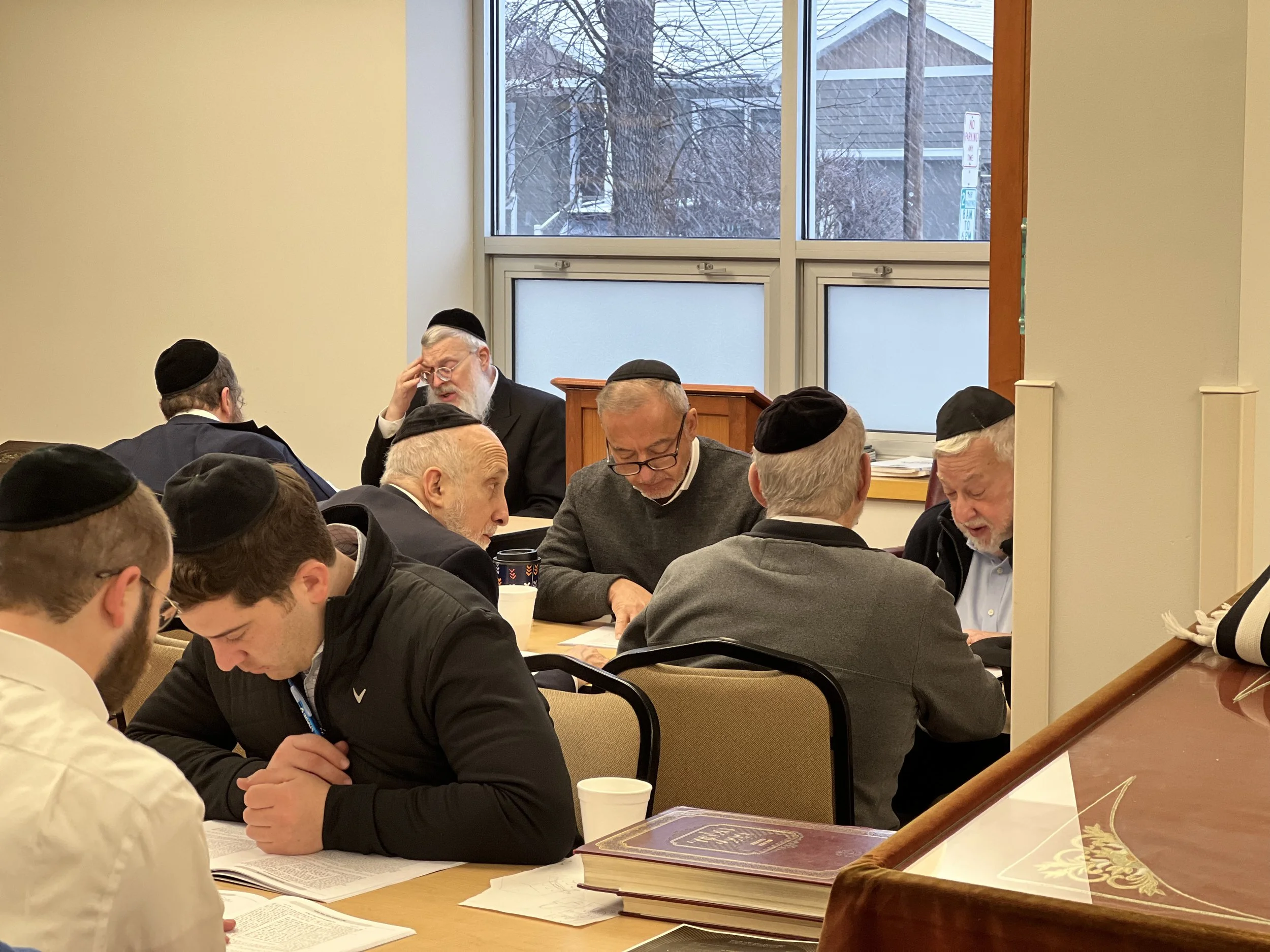
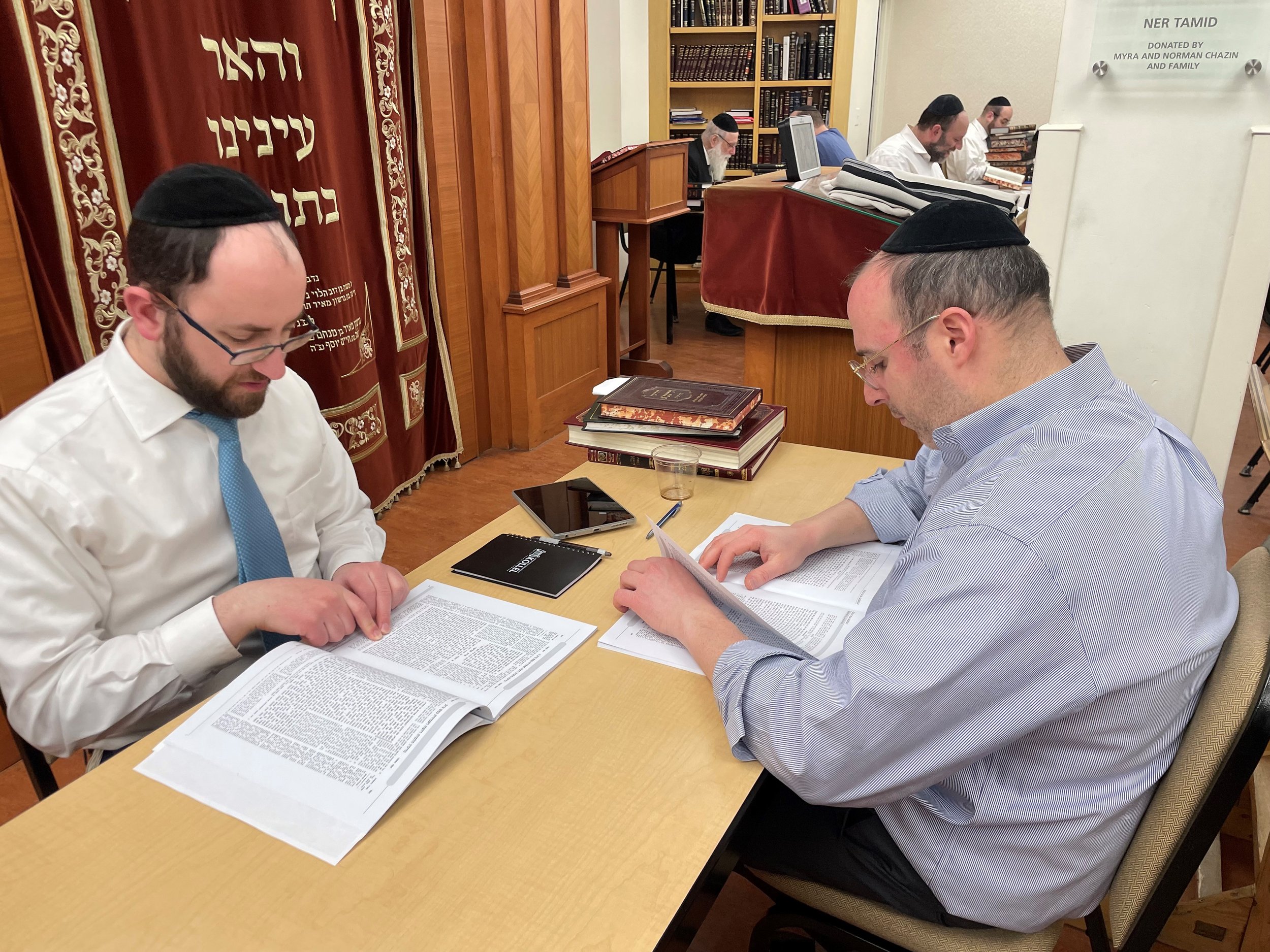
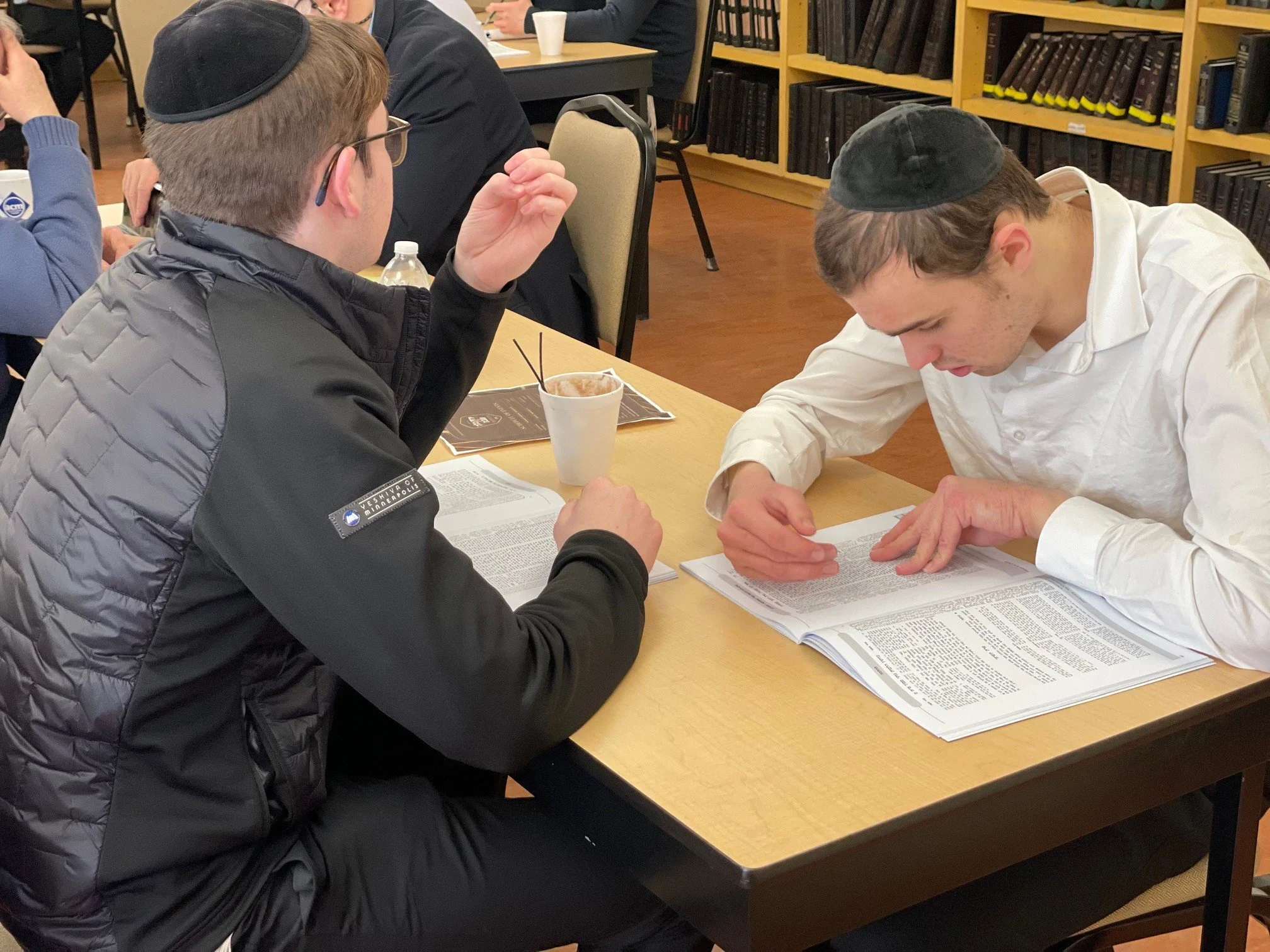
The 5th Annual Minneapolis Yarchei Kallah, held December 25–28, was an unforgettable combination of Torah, growth, and achdus. Participants took full advantage of their time off from work, filling the Bais Medrash each morning with passion and dedication to learning.

We were once again privileged to welcome HaRav Ezriel Cziment, Rov of Chanichei Hayeshivos in Lakewood and former Rosh Kollel of Telshe Yeshiva in Chicago. With his trademark energy, warmth, and geshmak in Torah, Rav Cziment electrified the learning and inspired every participant.

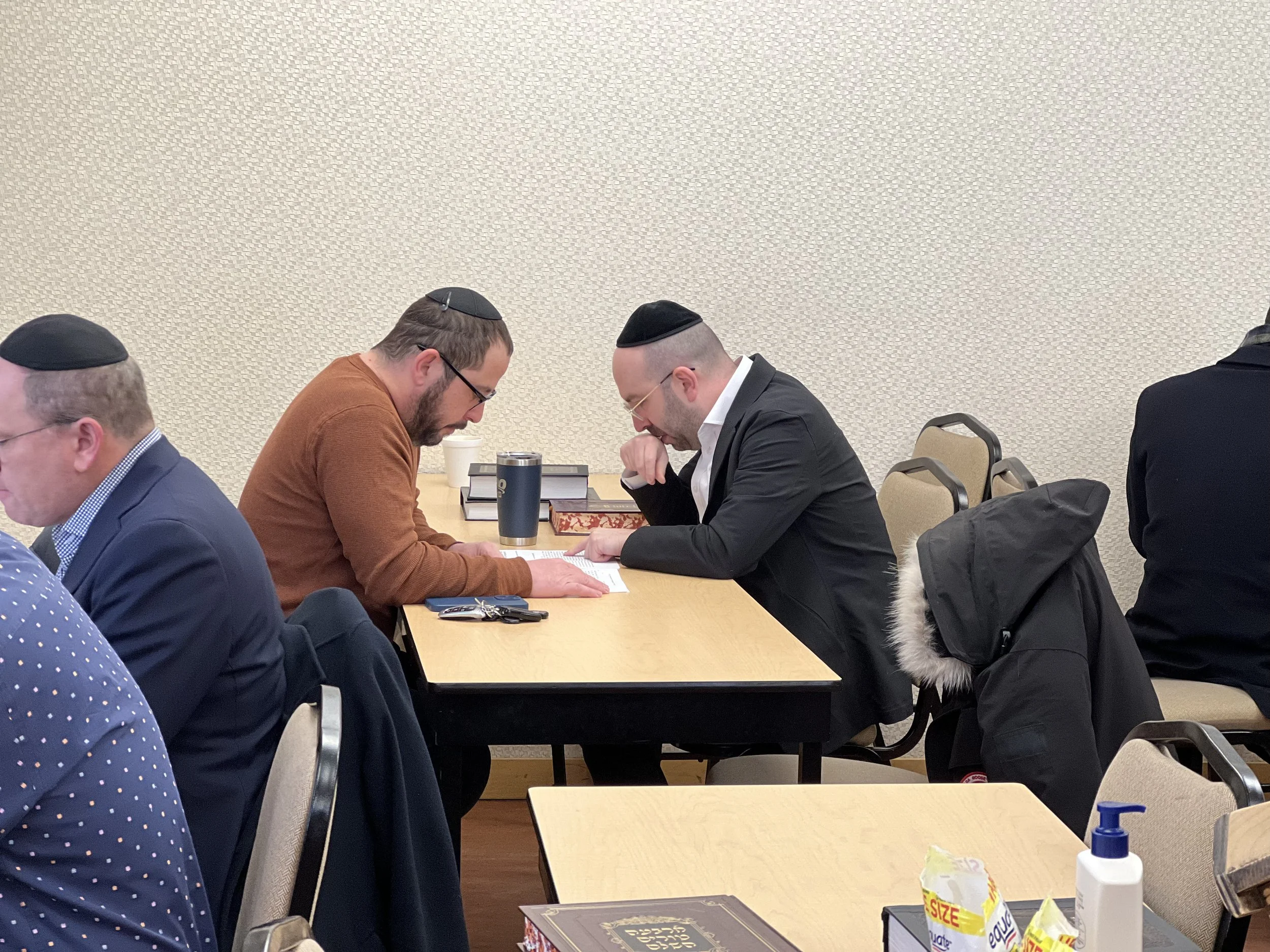
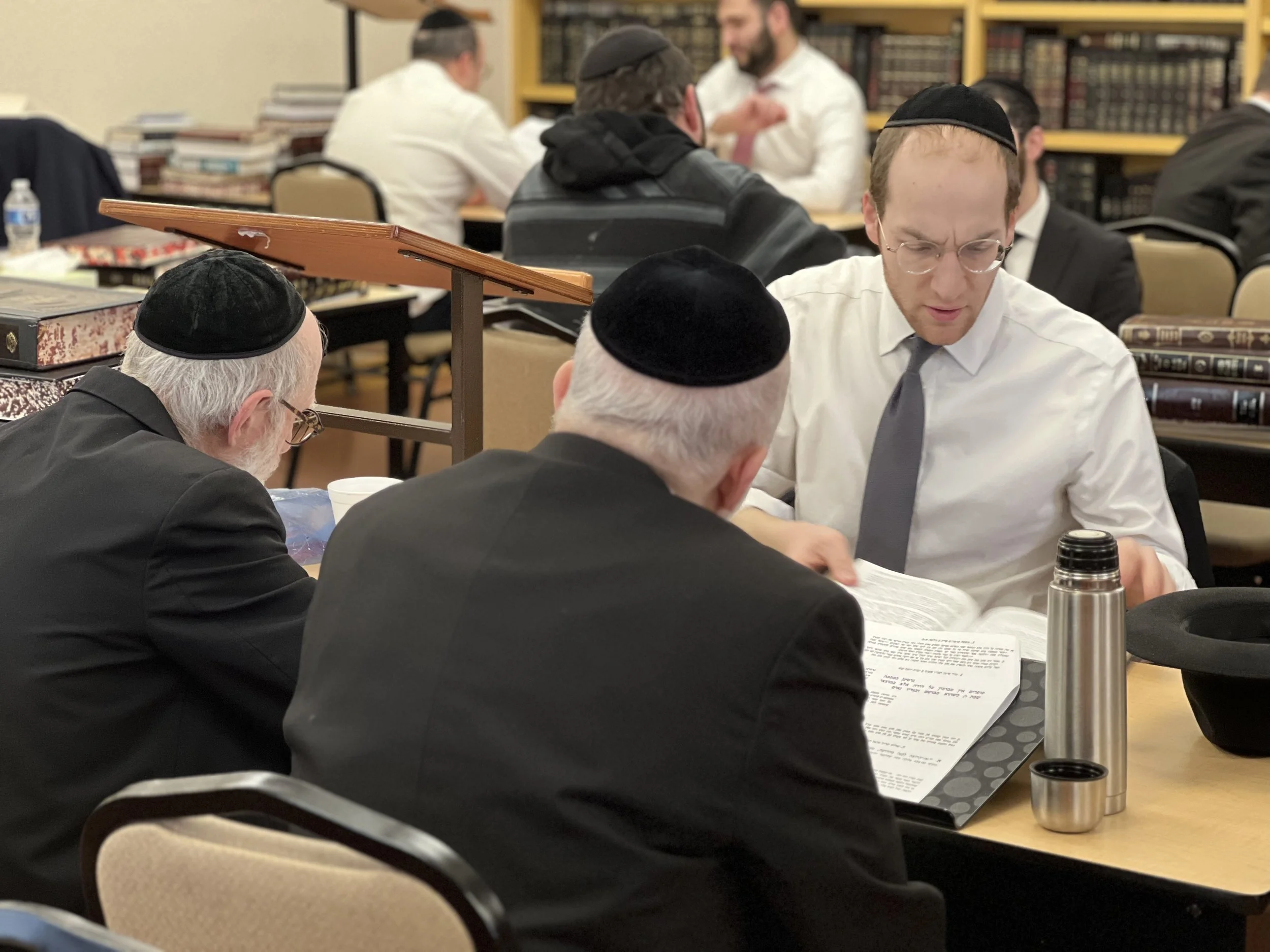
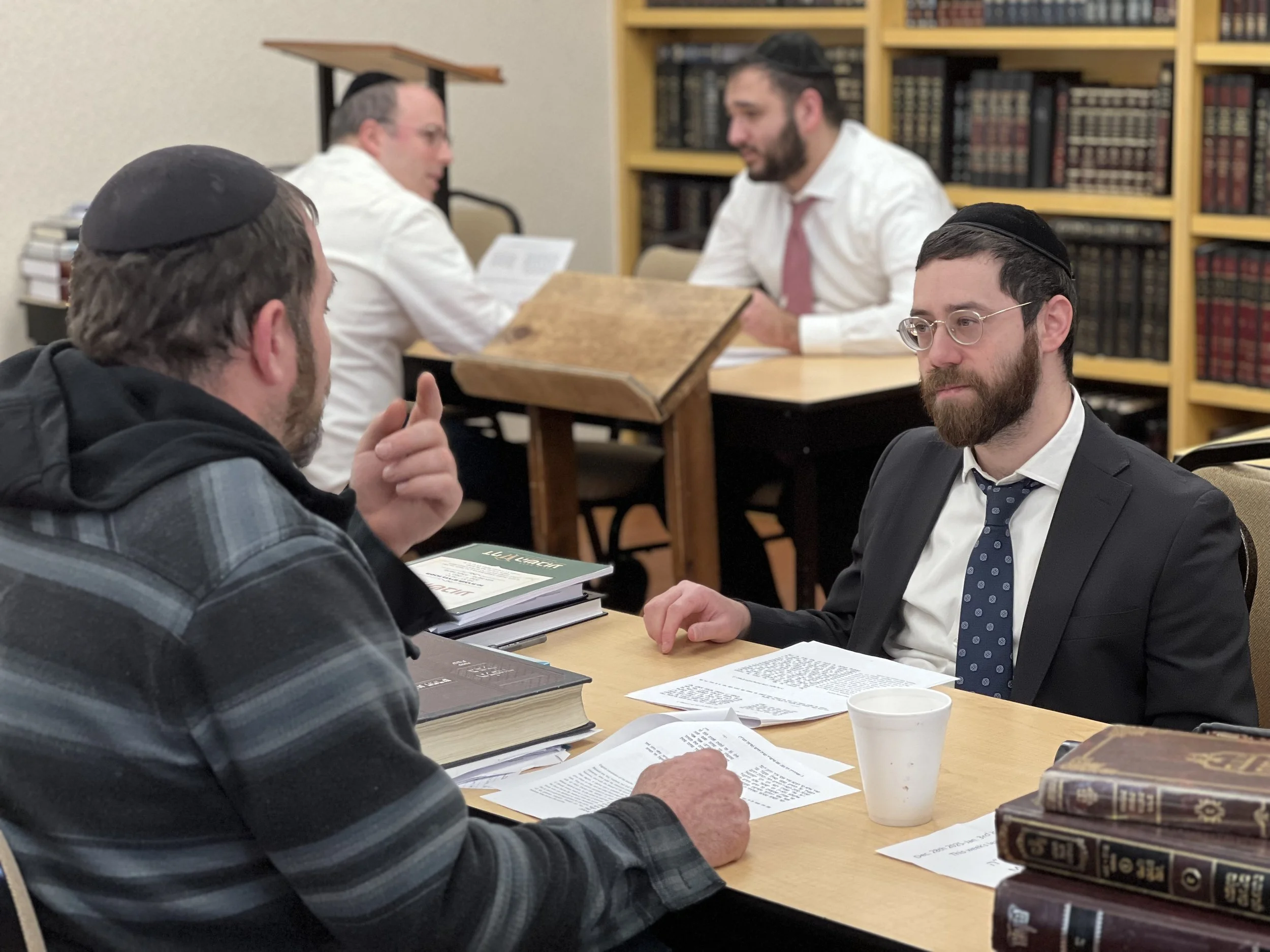
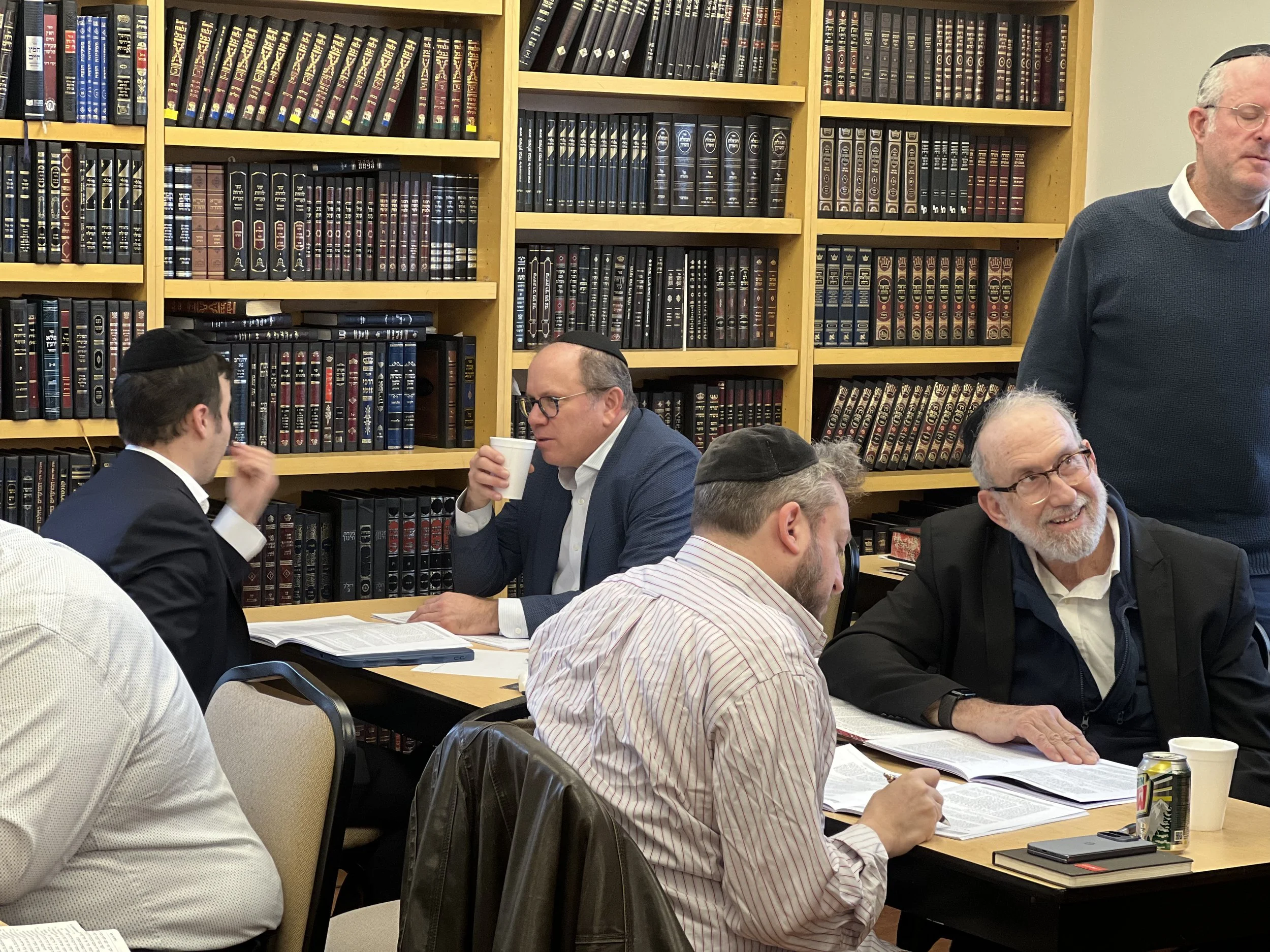
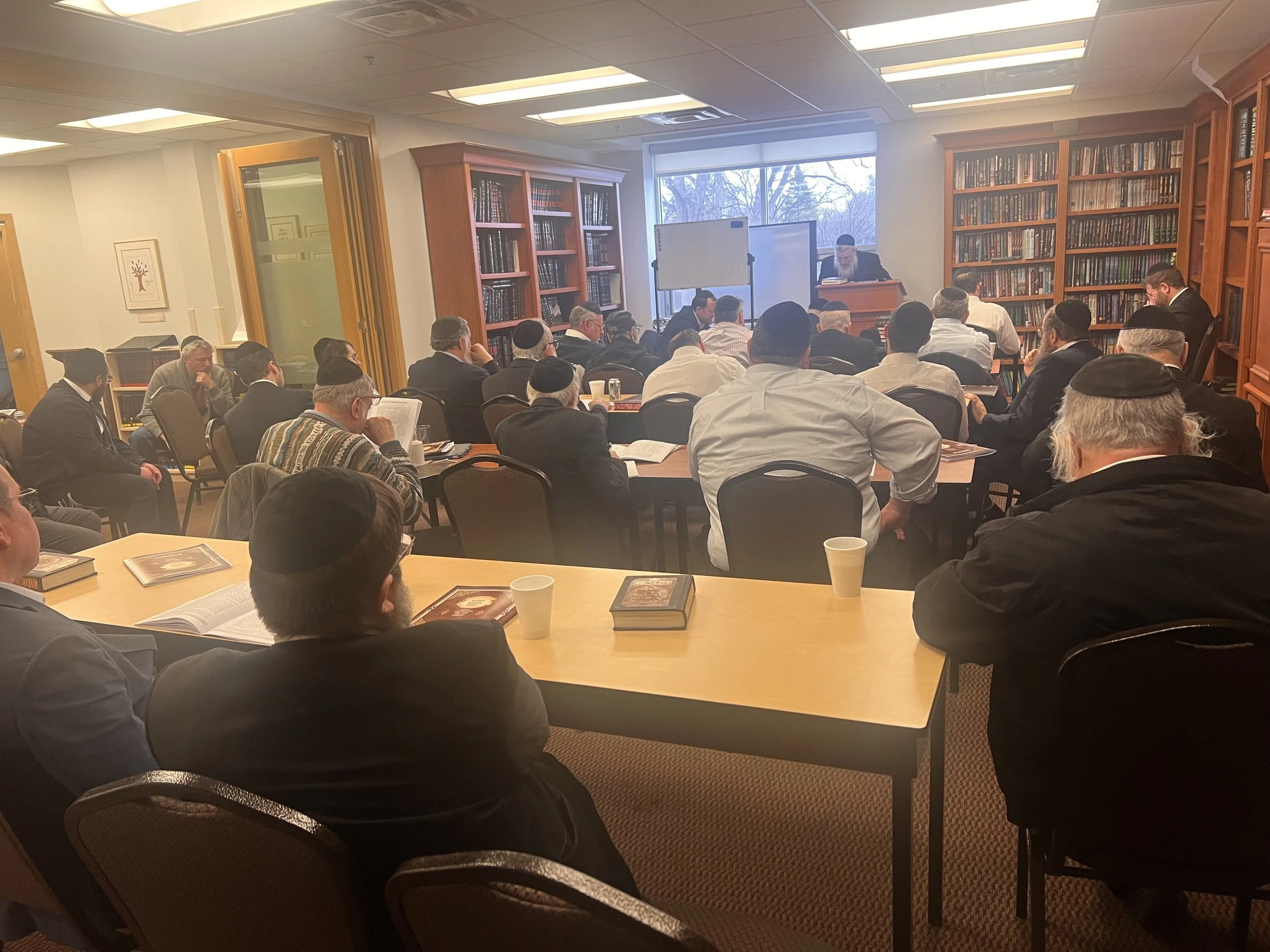
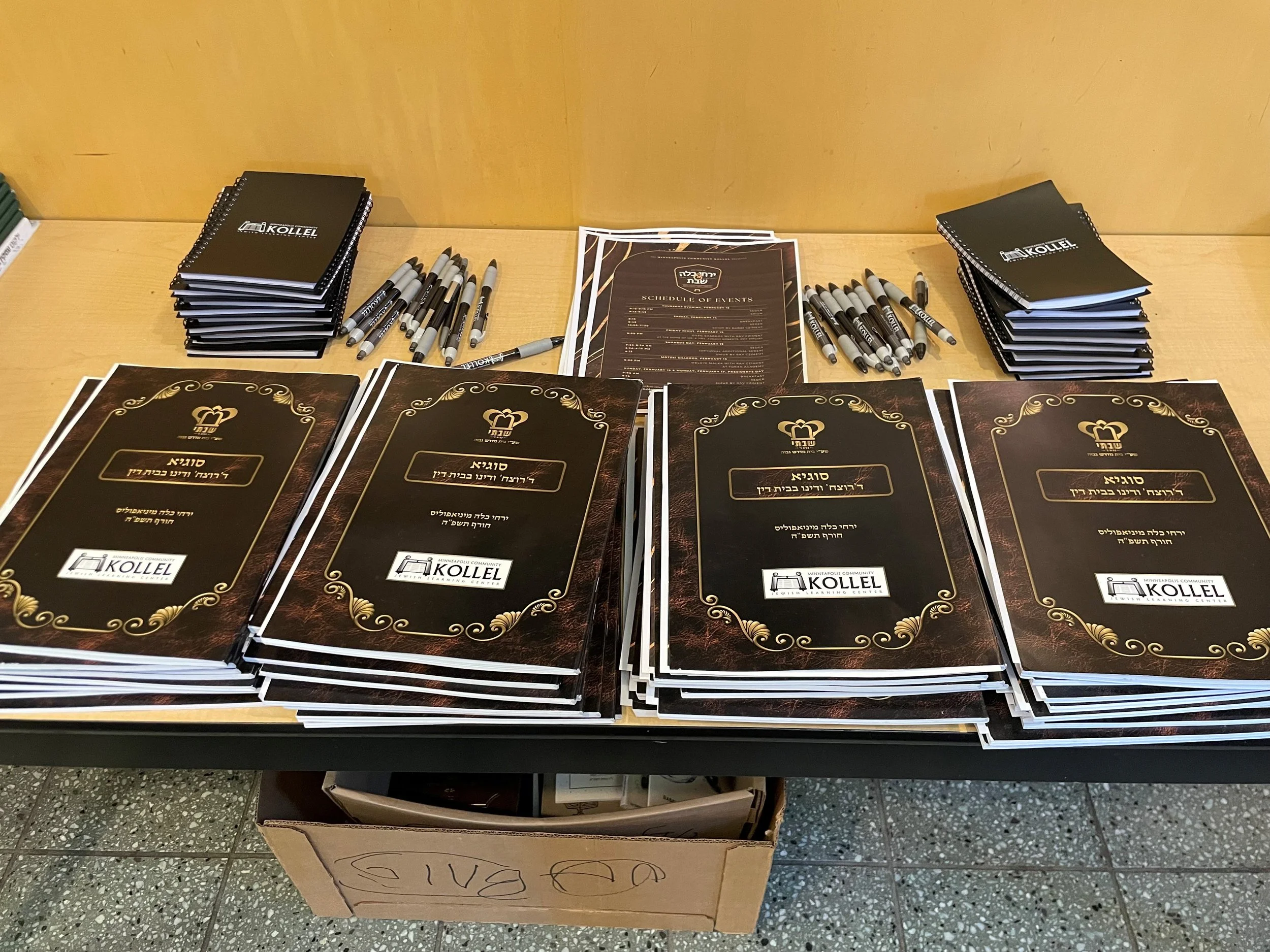
This year marked a new high — record-breaking attendance! We literally ran out of learning booklets. The Bais Medrash resounded with such a powerful kol Torah that it was sometimes hard to hear one’s chavrusa. The shiurim were standing-room only, a true testament to the hunger for Torah in our community.

The broader community was also uplifted by Rav Cziment’s presence, with inspiring divrei Torah at a lively Oneg Shabbos hosted by the Roberts family, as well as divrei Torah after Mussaf and during Shalosh Seudos in the local shuls.

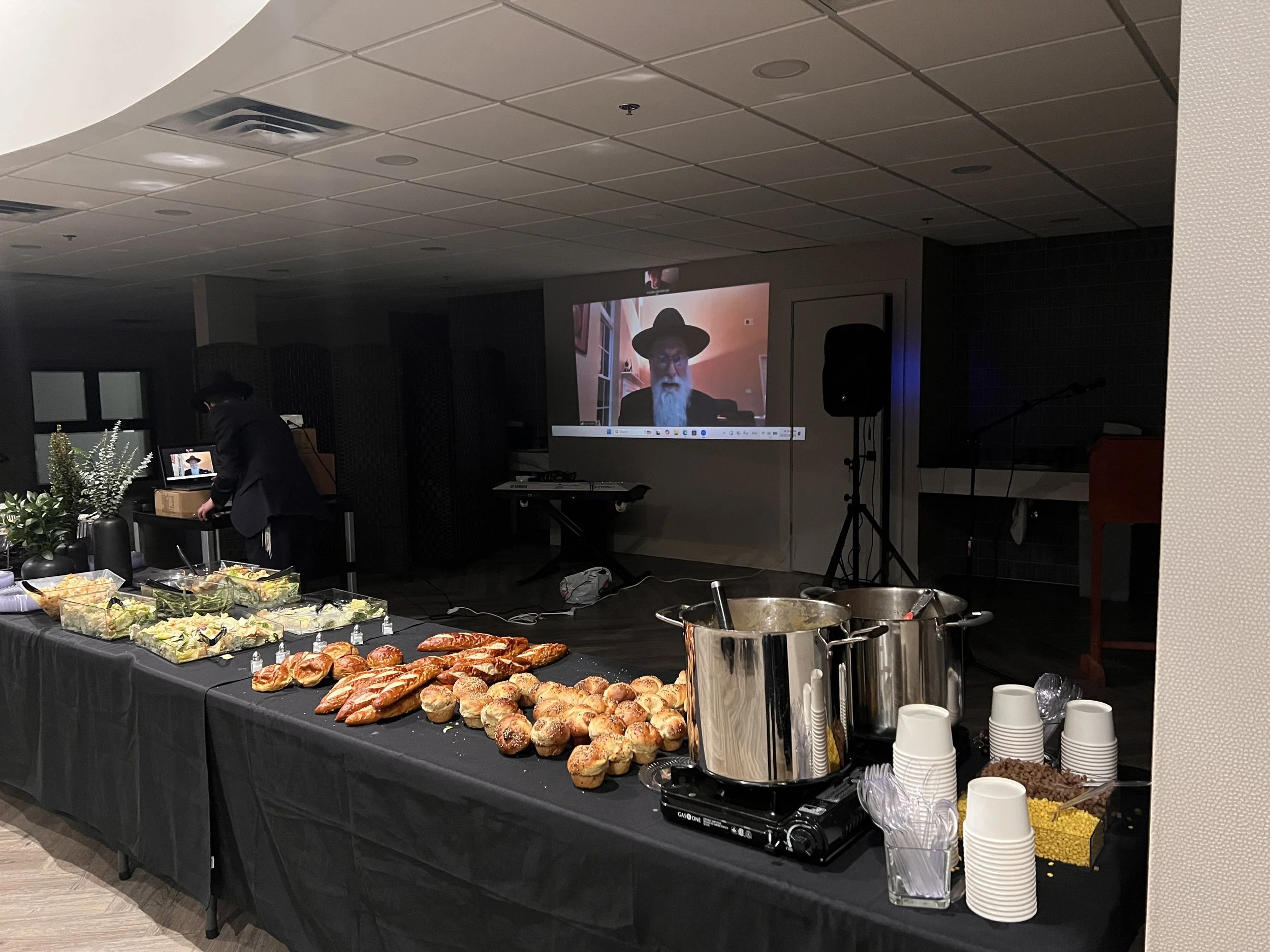
The program culminated in a gourmet Melava Malka, featuring stirring words on enjoyment and success in Torah learning from Rav Moshe Spiro, Rosh Kollel, and Rav Ezriel Cziment, as well as a special remote address from Rav Chaim Gibber, our founding Rosh Kollel.

Although Sunday marked the official close of the Yarchei Kallah, the overwhelming sentiment was clear: it ended far too soon. The learning, inspiration, and energy were simply too good to let go.

Thank you to all whose investment in this year’s Yarchei Kallah paid off so well:

  • All of the participants who dedicated their time and energy;

  • Rabbi Yisroel Meir Ebstein and Rabbi Yehuda Hendler for all of the preparation and recruiting;

  • All those who contributed to sponsoring;

  • Mr. & Mrs. Avromi Roberts for hosting the Friday night Oneg and Parsha shiur with Rav Cziment;

  • Mrs. Mandelbaum, Mrs. Goldberger, and all who contributed to the Melava Malka;

  • and of course, Rav Ezriel Cziment for once again sharing not only his presence and his Torah with us, but his love and passion for Torah which was palpable throughout the Yarchei Kallah and Shabbos.

Thank you, and we’re already looking forward to next year!

All of Rav Cziment’s shiurim as well as addresses from the Melava Malka can be found at this link.

Thanksgiving Legal Holiday Learning: Priestly Privilege

The extent of V’Kidashto

Here’s a mitzva that we can encounter quite frequently: The mitzva of V’Kidashto, to sanctify the Kohanim and give them precedence. Are we doing it right? Rabbi Yoseph Rosansky delivered a masterful shiur on the parameters and underlying foundations of this mitzva. Here are some of the questions that were addressed over the course of the shiur:

  • The Magen Avraham asks: Why don't people give priority to Kohanim in mundane matters if it's a mitzva D'Oraysah?

  • Can you ask your Kohen neighbor to take out your garbage bins?

  • Should you let a Kohen go in front of you in line at the grocery store?

  • Do you have to respond to a Kohen's emails before others?

  • Are you obligated to let a Kohen take the Amud if both of you have a yahrtzeit?

  • The shul auctions aliyos to raise money but there's only one Kohen so no one bids. Can we forego on the Kohen getting the first aliyah so the shul can raise money?

  • Did you know... The Chazon Ish told his shliach to deliver Mishloach Manos to the Kohanim on his list first?… R' Chaim Kanievsky would answer letters from Kohanim before others?

  • Lefty Kohanim are considered Baalei Mumin. Do we still have to honor them?

  • Can Kohen parents ask their Kohen son to do chores?

  • Can a Kohen's wife ask him to do the dishes?

A lot of very relevant questions! For the answers, you need to listen to the shiur below. Follow along with the sources here.

Priestly Privilege: The Extent of V'Kidashto
Rabbi Yoseph Rosansky

Labor Day Legal Holiday Learning: Get On Your Feet

Mipnei Seiva Takum - Respect for Our Elders

Essential to the continued successful transmission of our Mesorah is respect for the bearers of that Mesorah. The Torah instructs us to stand up in reverence for all those who contain wisdom within them. This extends to those who have gained wisdom through their extensive life experience.

As such this is a mitzva that is relevant each and every day. Listen to the shiur below by Rabbi Moshe Tzvi Koenig and follow along with the sources to learn more.

Get On Your Feet
Rabbi Moshe Tzvi Koenig

Independence Day Legal Holiday Learning: Entrapment

Baiting employees to test integrity

For a shiur about placing stumbling blocks in front of people, there sure were a lot of obstacles to overcome.

Rabbi Chaim Mendelson, Rosh Kollel in Yerushalayim of Kollel Toras Zeraim - Institute for Business Halacha, made plans to be in Minneapolis over this Shabbos, Parshas Chukas, to join the Shabbos Sheva Brachos of his nephew. Rabbi Mendelson contacted the Kollel and offered to give a shiur while he was here. Perfect, we said. You can give the Legal Holiday shiur on July 4th!

Then… war broke out between Israel and Iran. Airport closed. What now?

Baruch Hashem, things calmed down and flights resumed in time for the Sherman-Mendelson chasuna.

But… Rabbi Mendelson’s flight to MSP was delayed, and the shiur was on the rocks once again.

Chasdei Hashem, Rabbi Mendelson made it here the morning of July 4th, only delaying the shiur by 35 minutes. Phew!

After all that ado, let’s get to the shiur itself. Can an employer bait their employee by leaving money around to tempt them, in order to ascertain the employee’s level of honesty?

The answer revolves around the prohibition of “Lifnei Iver,” not to cause another person to sin. Is this transgressed by merely presenting the opportunity, even if it doesn’t result in any sin? Is there any dispensation if the employee only thinks they’re doing something wrong? Is it allowed to test someone for educational purposes? Does it make a difference if the employee is Jewish or non-Jewish?

For the answers to these questions, listen to the shiur by Rabbi Mendelson, and follow along with the sources.

Thank you, Rabbi Mendelson, for your perseverance and for the excellent shiur!

Entrapment: Baiting Employees to Test Integrity
Rabbi Chaim Mendelson

Memorial Day Legal Holiday Learning: Paying Workers On Time

The Mitzva of Bal Talin

Monday’s Legal Holiday Learning came on the heels of a moving and heartfelt tribute to the Rosh Kollel and Rebbetzin the night before, and the Bais Medrash was full of those looking to capitalize on the inspiration.

The topic of paying workers on time is relevant for just about anyone, but until now shrouded in a lack of knowledge. Rabbi Bodner pulled back the curtain and shed light on the details of this mitzva. Avoid two prohibitions and keep a positive commandment each time by understanding the parameters: What is the deadine? When does the obligation kick in? What can done to avoid transgressing?

Listen in and enhance your knowledge of this everyday mitzva.

Paying Workers On Time
Rabbi Dovid Bodner

4th Annual Minneapolis Yarchei Kallah

The feeling here after our 4th annual Yarchei Kallah: We did it!

We were unable to hold the Yarchei Kallah at its customary time of year due to the confluence with Chanukah. The question loomed: Should we still make it happen this year? Will we have enough attendance at a later date when most don’t take off?

The answer from the community was a resounding yes, let’s do this! We can’t miss out on the Yarchei Kallah this year.

It was the dedication of so many who took off of work or squeezed time out of their busy schedules to come learn that made this Yarchei Kallah a success. It was plain to see just how strong is the community’s connection to Torah, and especially to this type of learning- in-depth topics and shiurim of Rav Cziment that require focus and effort.

What an inspiration, what a community!

Thank you to all who made this year’s Yarchei Kallah a resounding success:

  • All of the participants who dedicated their time and energy;

  • Rabbi Yisroel Meir Ebstein for the preparations to make the Yarchei Kallah happen;

  • All those who contributed to sponsoring;

  • Mr. & Mrs. Avromi Roberts for hosting the Friday night Oneg and Parsha shiur with Rav Cziment;

  • Mrs. Mandelbaum, Mrs. Goldberger, and all who contributed to the Melava Malka;

  • and of course, Rav Ezriel Cziment for once again sharing not only his presence and his Torah with us, but his love and passion for Torah which was palpable throughout all of the many shiurim he delivered over the course of the Yarchei Kallah and Shabbos.

Thank you, and we’re already looking forward to next year!

All shiurim as well as addresses from the Melava Malka can be found at this link.

The Business Breakfast: Who is in Charge...
…of a wife’s assets

“These are serious shailas, raboisai.”

Any time money is involved, things get serious. All the more so when we’re talking about a family unit. Rabbi Zev Cohen’s message: Talk about it at the beginning, come to an agreement when you are first starting out.

These days it’s not uncommon for wives to enter the marriage with significant assets, or to have well-paying professions, even more than their husbands. Who has the final say in regards to where that money should go?

In reality, this is an area that is well-covered in halacha. There are a few categories of assets that a wife may have, which have different rules of control. But it is crucial that the husband and wife sit down and determine which of the categories the money falls in to.

Bottom line? Be aware of the issues, and ask a shaila.

Who is in charge... of a wife's assets?
Rabbi Zev Cohen